
Content note: This article discusses childhood trauma and its impact. Please take care while reading.
Childhood trauma does not always look the way people expect.
It is not always obvious, dramatic or easy to name.
For many children, trauma shows up quietly in everyday behaviour. It can show in their emotions, learning and relationships. It can be misunderstood as “bad behaviour”, defiance, withdrawal or lack of effort, when it is a child’s way of coping with experiences that felt overwhelming or unsafe.
This article explores what childhood trauma can look like in daily life, how children communicate distress through behaviour, and how adults can respond with compassion and understanding.
Understanding Childhood Trauma
Trauma is a psychological and emotional response to experiences that feel frightening, dangerous or overwhelming. It occurs when a situation exceeds a person’s ability to cope, particularly when there is little protection, predictability or support.
Trauma can arise from many different experiences, including abuse or neglect, domestic violence, bereavement, serious accidents or illness, bullying, discrimination, witnessing violence or sudden separation from caregivers. The same experience can affect children differently depending on their age, temperament and the support around them.
Because children’s brains and nervous systems are still developing, trauma experienced in childhood can have a deeper and longer-lasting impact. Children often do not have the words to explain what they are feeling, so distress is communicated through behaviour, emotions and the body instead.
“Trauma isn’t defined by the event itself, but by how overwhelmed and unsafe the child felt at the time.”
Mulberry Bush practitioner
Rather than asking “Why is this child behaving like this?”, trauma-informed thinking asks “what might this child be responding to?”
How Trauma Can Show Up in Everyday Life
There is no single way that childhood trauma presents, each child’s experience is unique, but there are patterns that can indicate a child is struggling.
Emotionally, children may experience anxiety, fear, shame or emotional numbness. Mood changes can feel sudden and intense, and small challenges may quickly become overwhelming. Some children struggle to calm themselves once upset, while others appear withdrawn or disconnected.
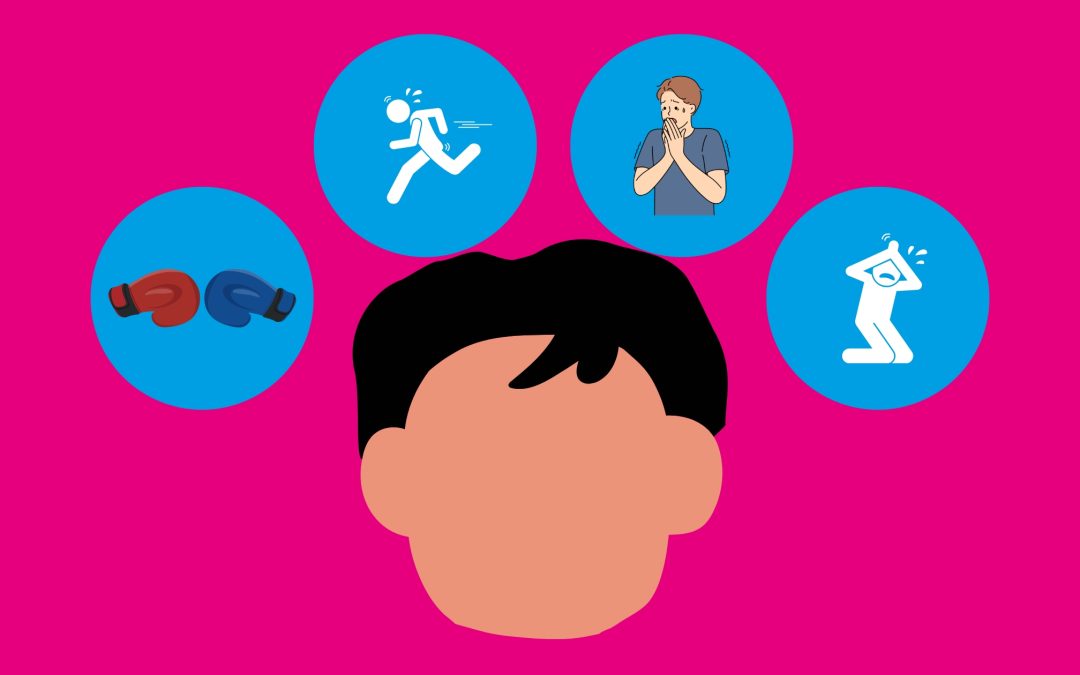
Behaviourally, trauma can show up as aggression, controlling behaviour, impulsiveness, withdrawal or regression to earlier developmental stages such as bedwetting or clinginess. These responses are not deliberate choices, but protective strategies shaped by a child’s nervous system.
Trauma also affects relationships. Children may find it difficult to trust adults, fear abandonment or rejection, or move between wanting closeness and pushing people away. These patterns can be confusing and challenging for caregivers and professionals alike.
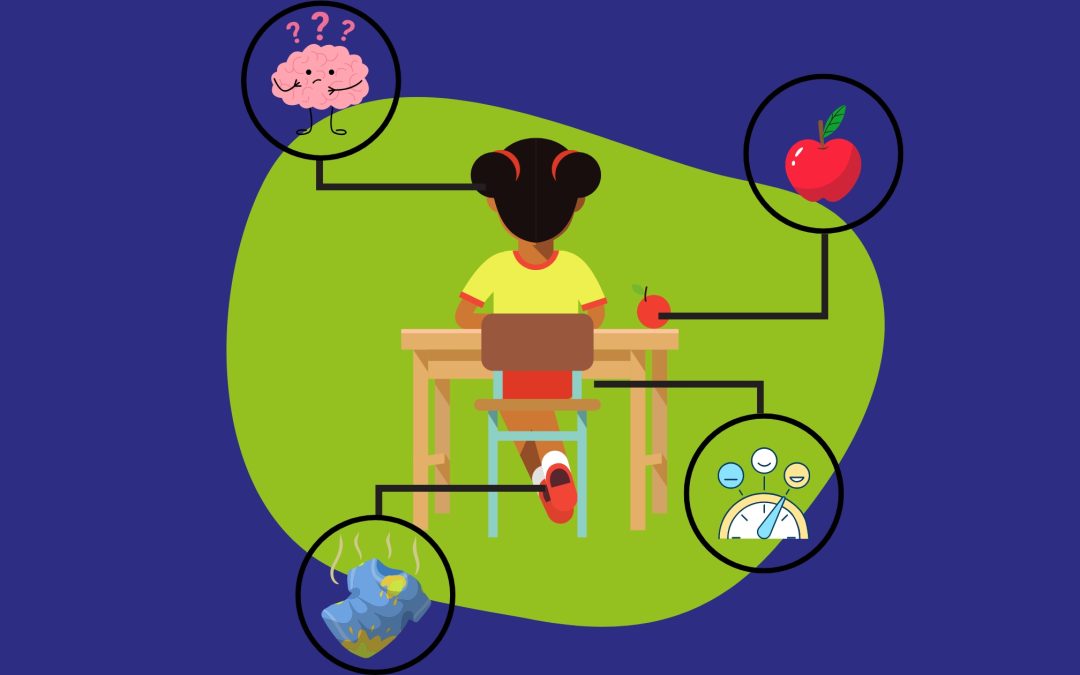
In learning environments, trauma can make concentration, memory and organisation difficult. School may feel unsafe rather than stimulating. Avoidance of tasks, strong reactions to mistakes or disengagement from learning are often signs of distress rather than lack of ability.
How Adults Can Respond
You do not need to fully understand a child’s past to support them in the present.
Trauma-informed responses focus on safety, predictability and connection. Calm, consistent routines help reduce anxiety and build trust. Naming and validating feelings support children to begin understanding their inner world. Remaining regulated yourself during moments of distress offers children a sense of stability and safety.
Most importantly, trauma-informed care stays curious rather than punitive. Behaviour is understood as communication, not defiance.
Reflective prompts for adults
- What situations seem hardest for this child?
- What helps them feel calmer or more settled?
- How do they behave when they feel safe?

An Example of a Child Living with Untreated Trauma
Sam is eight years old.
By the time he arrives at school, his body is already on high alert. Loud noises make him flinch. A raised voice in the corridor sends his heart racing.
When he struggles with a task, panic takes over. He tears up his work and storms out. Adults see refusal. What they don’t see is fear.
At playtime, Sam wants friends but doesn’t trust them. He pushes first, before he can be pushed away.
By the afternoon, he is exhausted from staying alert all day. When asked to tidy up, he explodes.
Sam is not choosing to be difficult.
His nervous system is stuck in survival mode.
When to Seek Specialist Support
It may be time to seek additional support if a child’s distress is persistent, interferes with daily life, or continues despite consistent care and understanding.
Early specialist intervention can be transformative. Therapeutic approaches such as play-based therapy or Cognitive Behavioural Therapy (CBT), which are currently offered through the NHS, can help children develop safer ways to process and manage their experiences.
For urgent mental health support in the UK, contact NHS 111 and select the mental health option.
How The Mulberry Bush Supports Children
At The Mulberry Bush, we specialise in supporting children who have experienced early life trauma and adversity.
We provide specialist therapeutic residential care, trauma-informed education, integrated therapeutic support and training for professionals working with children and families. Our work is rooted in relationships, consistency and understanding that behaviour is communication.
Closing Thoughts
Childhood trauma rarely announces itself clearly. It lives in everyday moments, misunderstood behaviours and children doing their best to cope with experiences that once felt unsafe.
By learning what trauma can look like, we can move away from blame and towards compassion, safety and connection.
If you recognise these signs in a child you care for, remember you do not have to understand everything straight away. Noticing, staying curious and reaching out for support are powerful first steps.
You do not have to navigate this alone.
Frequently Asked Questions
How do I know if I have childhood trauma?
Some adults notice patterns such as strong emotional reactions, difficulty in relationships or feeling easily overwhelmed. Speaking with a trained professional can help explore this safely.
What are examples of childhood trauma?
Trauma can include abuse, neglect, bereavement, domestic violence, bullying, discrimination, serious illness or sudden separation from caregivers.
How can you support a traumatised child?
By offering safety, predictability and emotional validation, staying curious about behavior and seeking specialist support when needed.
When should you seek professional help for a child?
If distress persists, affects daily functioning or feels unmanageable, professional support is recommended.
Does childhood trauma go away?
With the right support, children can build resilience and coping strategies. Trauma does not define a child’s future.
What to Read Next

What Does Childhood Trauma Look Like?
Table of Contents Understanding Childhood Trauma How Trauma Can Show Up in Everyday Life How Adults Can Respond Reflective Prompts for Adults A Day in ... read more

What Is Challenging Behaviour?
Supporting children and young people can be one of the most rewarding experiences in life but it can also bring moments of deep frustration, confusion, ... read more

How Animals Support Children Impacted by Early Years Trauma
Children who have experienced early trauma often struggle to feel safe in a world that hasn’t always been kind. Whether due to neglect, abuse, or ... read more

Why Online Childhood Trauma Tests Can Do More Harm Than Good
If you’ve ever come across a childhood trauma test online, you’ll know how tempting it can be to click through the questions. Often framed as a way to ... read more




0 Comments