It's in the home: The World Cup and domestic abuse
There is research that shows a link between England World Cup matches and an increase in domestic abuse being reported. One study, looking at domestic abuse during previous FIFA World Cups, found two…
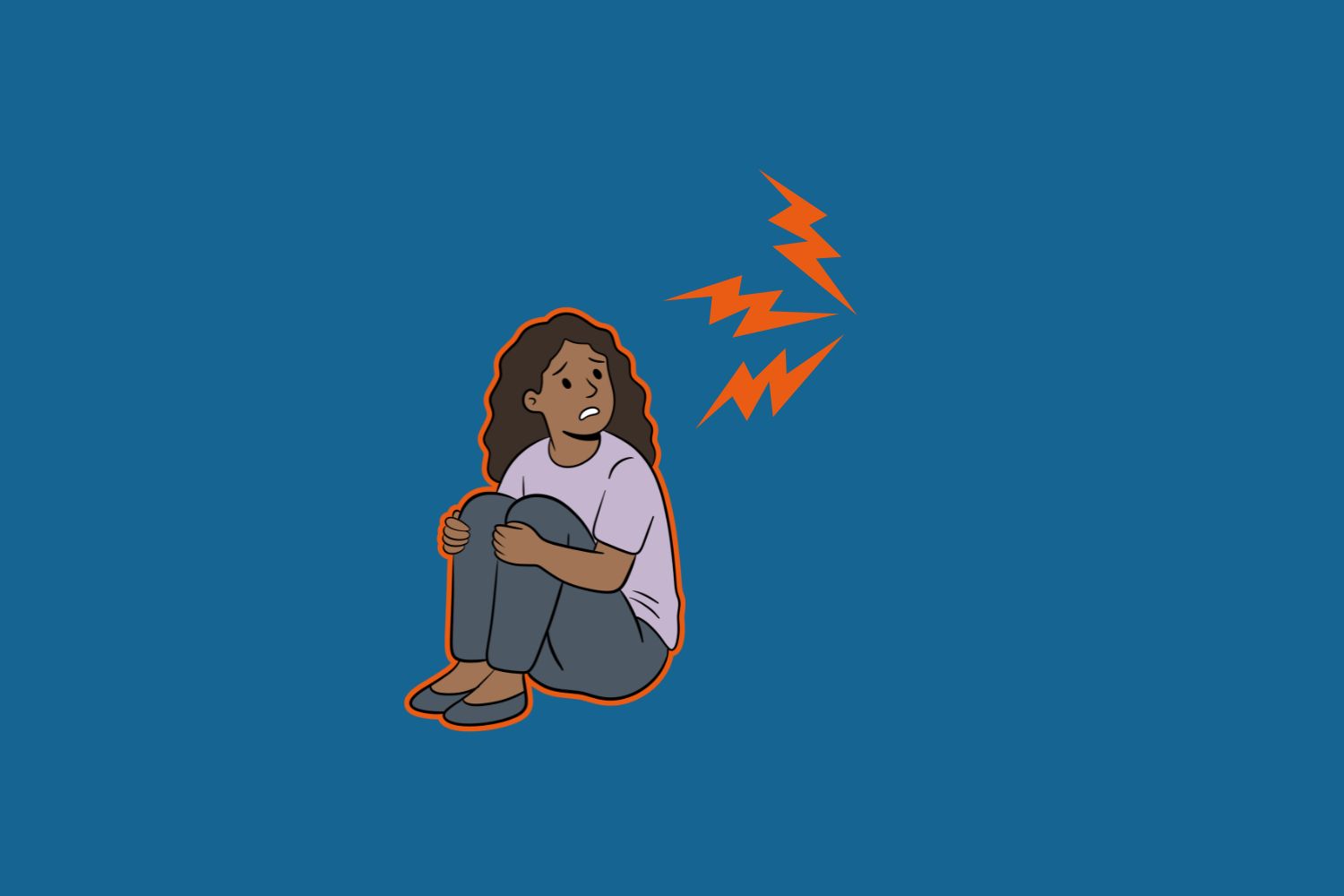
The 2026 World Cup is finally here.For me, the World Cup is without a doubt my favourite sporting event. It has given me memories of iconic sporting moments, ridiculous conversations with friends during matches, and rare times when my family all sat together, paying attention to the same thing.Much of my time watching football has been spent alongside my dad. It is one of the few things we have always easily bonded over. We watch the game, complain about the referee, question the players, and over analyse every moment as if we could have done better ourselves. (He would argue, he definitely could).There are many things we disagree on in life, and plenty we disagree on in football, but the World Cup gives us something we can come together around. Something we both love.But for many families across the UK and around the world, the World Cup does not bring those same moments of joy, connection or togetherness.Instead of helping to build bonds between children and the adults around them, it can become a time of fear, tension and harm.Feelings such as excitement, joy and hope can be replaced by anxiety, instability and pain. Research has shown a clear link in the UK between England World Cup matches and an increased risk of domestic abuse.What many of us experience as “anything could happen” can feel very different in a home where domestic abuse is present.For some children, those 90 minutes may feel frightening, unpredictable and unsafe.
The evidence: what research tells us
Sadly, this is not just a feeling.There is research that shows a link between England World Cup matches and an increase in domestic abuse being reported.One study, looking at domestic abuse during previous FIFA World Cups, found two clear trends. On match days, the risk of domestic abuse rose by 26% when England won or drew, and by 38% when England lost.That is a horrible statistic to sit with.Because while many of us are watching the game full of hope, frustration, excitement and nerves, there are homes where that same 90 minutes means something completely different.For some families, it is not about whether England score.It is about whether someone gets angry. Whether the shouting starts. Whether the mood changes. Whether the final whistle brings relief, or something worse.It is important to say this clearly: football does not cause domestic abuse. Losing a match does not cause domestic abuse. Alcohol, disappointment, stress or passion for your team do not excuse abuse.Abuse is always the responsibility of the person choosing to be abusive, controlling, threatening or violent.But major sporting events can create moments where existing abuse becomes worse. Emotions are heightened. Routines change. Alcohol may be involved. More people may be in the house. Tension can build before, during and after the match.The research also shows this is not just about England losing. The increase happened when England won or drew too.For children living in these homes, the score might not be the thing they are watching most closely.They may be watching the adults in the room. Listening for the shift in someone’s voice. Sensing when the atmosphere changes. Waiting to see what happens next.For many of us, football is drama.For some children, it is dread.
Domestic abuse is not always easy to see
When we hear the words domestic abuse, many of us might first think of physical violence.And yes, that can be part of it. But domestic abuse can take many forms, and during something like the World Cup, it can be hidden behind what others might dismiss as “just an argument” or “getting carried away with the game”.It might look like someone using the match as an excuse to shout, threaten or intimidate the people around them.It might be anger that is not really about the football, but is taken out on a partner, child or family member.It might be objects being thrown, doors being slammed, or everyone in the room suddenly feeling like they need to stay quiet, keep out of the way and not make things worse.It can also be control.Who is allowed to come over for the match. Whether someone is allowed to leave the house. How money is spent. Whether alcohol is bought. What everyone else is expected to do while the game is on.A person may use the match, the score or their own mood as a reason to criticise, humiliate or punish someone else.For children, this can be terrifying.They may hear the shouting from another room. They may see one adult become frightened of another. They may notice the silence after an argument, the tension before kick-off, or the change in mood when drinking starts.They may learn when to disappear upstairs. When to distract a younger sibling. When not to speak.While other children are counting down to the next game with excitement, they may be counting down with dread.
When passion becomes frightening for children
I really want to stress that not every adult who shouts at the television is being abusive.Most of us who love football have had those moments. Complaining about the referee. Questioning how a professional footballer has missed from there. Pacing around the room. Celebrating like we personally scored the goal.That emotion is part of football.It is part of why we love it.But children do not always experience adult emotion in the same way adults do.What feels to us like “just getting caught up in the game” can feel very different to a child sitting nearby. Raised voices, sudden anger, swearing, aggressive gestures, slammed doors or arguments between adults can be frightening, even when that behaviour is not aimed at them.A child may not understand that the anger is about the match.They may just feel that the adults around them have suddenly become louder, less predictable and harder to feel safe with.This does not mean parents and carers need to sit in silence or hide every emotion. Children can learn a lot from seeing adults feel excitement, disappointment and frustration.But they also need to see that big feelings can be managed safely.During the World Cup, it is worth asking ourselves one simple question:What does this feel like for the child in the room?If we get it wrong, repair matters.A simple, “I’m sorry I shouted. I was frustrated by the game, but that wasn’t your fault.” can mean a lot.Football can still be passionate. It can still be loud, exciting and emotional.But children need to feel safe when the emotions in the room get bigger.
What children may carry with them
Children notice more than we often realise.They may not understand the full picture. They may not know the words domestic abuse, coercive control or emotional harm. They may not be able to explain why their body feels tense when the match comes on.But they feel it.They feel the tension in the room. They hear the difference between excited shouting and angry shouting. They notice when laughter becomes sharper. They sense when a celebration starts to feel out of control.For some children, watching the football is not really watching the football at all.It is watching the adults.Listening for changes in tone. Working out whether it is safer to stay in the room or leave quietly. Wondering whether they need to distract a younger sibling. Trying not to be noticed.That kind of fear can show itself in lots of ways.A child might become tearful, clingy or anxious. They might become angry or defiant. They might withdraw completely and seem unusually calm. They might struggle to sleep, lose concentration at school, complain of stomach aches, or become more sensitive to noise and raised voices.These responses can be easy to misunderstand.A child who is unsettled after a match day might be seen as difficult. A child who is angry might be seen as badly behaved. A child who goes quiet might be seen as fine.But behaviour is often communication.It may be a child’s way of showing that something feels too big, too frightening or too unsafe to put into words.No child should have to carry that alone.
Why this can be traumatic
Trauma is not always one big, obvious event.Sometimes it is repeated fear.It is not knowing what mood you are coming home to. It is feeling responsible for keeping the peace. It is seeing someone you love being hurt, controlled or made small. It is never quite being able to relax in the place that should feel safest.During the World Cup, this fear can become tied to the rhythm of the tournament.The build-up to a match. The sound of people arriving. The drinks opening. The voices getting louder. The reaction to the score. The final whistle. The hours afterwards.For some children, these things become signals.Their body begins to prepare for danger before anything has even happened. They may become tense, alert or unusually quiet. They may struggle to settle, even once the match is over and the house seems calm again.At The Mulberry Bush, we often talk about behaviour as communication.A child may become angry because they are overwhelmed. They may withdraw because being quiet has helped them stay safe. They may try to control everything because their world has felt unpredictable. They may struggle to trust adults because adults have not always felt safe.That is why we need to ask a different question.Not, “What is wrong with this child?”But, “What might this child have experienced?”That question changes everything.It moves us away from blame and towards curiosity. Away from judgement and towards understanding. Away from seeing a child as a problem, and towards seeing a child who may need safety, connection and support.
What adults can look out for
One of the most important things we can do for children is notice.Notice when their behaviour changes. Notice when they seem quieter than usual. Notice when they look on edge before a match, or unsettled the morning after. Notice when a child who is usually full of energy suddenly seems tired, distracted or withdrawn.Children will not always tell us directly when something is wrong.Sometimes they cannot. Sometimes they do not have the words. Sometimes they are worried about what might happen if they speak.So they show us instead.They may become more anxious, tearful or clingy. They may become angry more quickly. They may struggle to concentrate or find it harder to settle. They may complain of headaches, stomach aches or feeling unwell. They may seem unusually aware of adult moods, raised voices or sudden changes in atmosphere.Sometimes, children say things in small ways.“They were shouting after the match.”“I don’t like it when people come over for the football.”“Dad got really angry when England lost.”“There was a lot of drinking.”These comments can be easy to miss, especially when they are said quickly or casually. But they may be a child testing whether it is safe to say more.This is where curiosity matters.A tired, dysregulated or angry child after a match day is not necessarily being difficult.They may be carrying something from the night before.And they may need the adults around them to notice.
Helping children feel safer
When children have been frightened, unsettled or exposed to harm, they do not always need perfect words.They need safety.They need calm.They need connection.During the World Cup, small moments of thoughtfulness can make a real difference.That might mean checking in with a child before a match starts. It might mean noticing when the room has become too loud or tense. It might mean letting them leave, play somewhere quieter, or do something else without making them feel like they are ruining the fun.It might also mean thinking ahead.If we know we can become very emotional during a game, we can plan for that. Take breaks. Lower the volume. Reduce alcohol. Watch the match somewhere else. Agree with other adults that children’s safety and comfort come first.This is not about taking the joy out of football.It is about making sure our excitement does not become frightening for the children around us.One of the most powerful things an adult can offer is repair.Repair does not mean pretending nothing happened. It means noticing when something felt too much and helping the child feel safe again.It might sound like:“I’m sorry I shouted. That must have felt scary. It wasn’t your fault.”Or:“You are safe. The adults are sorting this out. You do not need to fix it.”These moments may sound small.But for a child who has learned to watch, wait and worry, they can mean everything.They show that adults can take responsibility. That big feelings can be managed. That home can feel safe again.And every child deserves that.