ADHD vs Childhood Trauma: Understanding the Difference
When a child struggles to concentrate, manage big emotions, or behave in ways that feel unpredictable, it can raise difficult questions for the adults around them. Is this ADHD? Is something else…
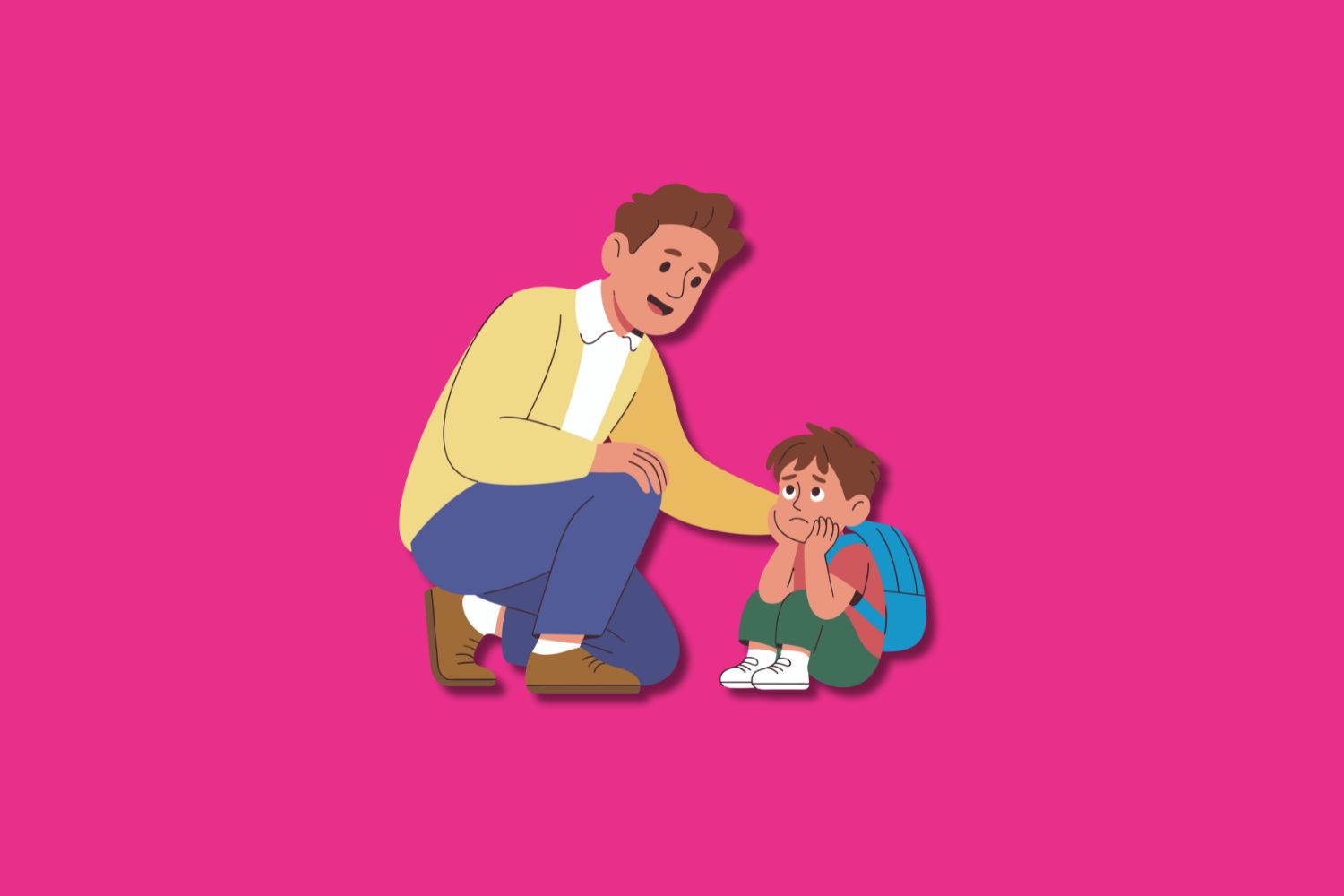
When a child struggles to concentrate, manage big emotions, or behave in ways that feel unpredictable, it can raise difficult questions for the adults around them. Is this ADHD? Is something else going on? Or could early experiences be shaping how this child is responding to the world?
The conversation around ADHD vs childhood trauma is one that many parents, carers and professionals find themselves navigating. This is not surprising. On the surface, the behaviours associated with ADHD and those linked to childhood trauma can look very similar. These may include restlessness, impulsivity, emotional outbursts, difficulty focusing, or withdrawing from others. Without a deeper understanding, it can be easy to mistake one for the other, or to feel unsure about how best to respond.
Behaviour does not exist in isolation. It develops within relationships, environments and experiences. For some children, what we see as “behaviour” may be a response to stress, fear, loss, or unmet emotional needs. For others, it may be rooted in how their brain develops and processes information. For some children, both may be true.
This article is not about diagnosing children or offering quick answers. Instead, it aims to support understanding. By exploring the similarities and differences between ADHD and childhood trauma, we hope to encourage curiosity, compassion and more informed responses at home, in school, and across the systems that support children and young people.
Understanding the “why” behind behaviour can change everything.
What Is ADHD?
Attention Deficit Hyperactivity Disorder (ADHD) is a neurodevelopmental condition. This means it relates to how a child’s brain develops and how they process information, regulate attention, and manage impulses. ADHD is not caused by poor parenting, lack of boundaries, or a child “not trying hard enough”.
Children with ADHD may experience ongoing difficulties with:
- Sustaining attention, particularly for tasks that feel uninteresting or demanding
- Impulse control, such as acting or speaking before thinking
- Levels of activity that feel constant or hard to regulate
These traits can affect learning, relationships and emotional wellbeing, particularly in environments that require long periods of focus, sitting still, or following complex instructions.
It is important to understand that ADHD does not look the same in every child. Some children may appear constantly on the go, while others may seem quieter but struggle internally with attention and organisation. Many children with ADHD are creative, curious, and highly sensitive to their surroundings.
ADHD is typically identified through a careful assessment process, which considers a child’s development over time and across different settings, such as home and school. A diagnosis is never based on a single behaviour or observation, and it should always take the child’s wider context into account.
Understanding ADHD as a difference in brain development, rather than a behavioural problem, can help adults respond with greater empathy and appropriate support.
What Do We Mean by Childhood Trauma?
Childhood trauma refers to experiences that overwhelm a child’s ability to cope, particularly when they happen early in life, occur repeatedly, or take place without consistent, supportive adults to help the child make sense of what is happening.
These experiences are often described using the term Adverse Childhood Experiences (ACEs). ACEs are a recognised way of understanding how stressful or harmful events in childhood can affect emotional development, behaviour, and long-term wellbeing.
ACEs can include experiences such as:
- Emotional, physical or sexual abuse
- Emotional or physical neglect
- Exposure to domestic abuse
- Parental mental ill health or substance misuse
- Separation, loss or bereavement
- Living with instability, unpredictability or ongoing stress
It is important to understand that trauma is not defined solely by the event itself, but by the impact it has on the child. Two children can experience the same situation and be affected in very different ways, depending on factors such as their age, temperament, and the level of safety and support available to them at the time.
For some children, ongoing stress or high levels of ACEs can shape how safe the world feels. This can affect how their nervous system develops and how they respond to everyday situations. Children who have experienced trauma may appear constantly alert, easily overwhelmed, emotionally reactive, or withdrawn. Others may struggle with attention, impulse control, memory, or managing relationships.
Because trauma can influence attention, emotional regulation and behaviour, its effects can closely resemble the traits commonly associated with ADHD. This overlap is one of the key reasons why understanding ACEs and childhood trauma is so important when trying to make sense of a child’s behaviour.
Recognising trauma is not about labelling children by what has happened to them. It is about understanding how early experiences may be shaping their responses, and why a compassionate, informed approach matters.
Why ADHD and Childhood Trauma Can Look the Same
When we look only at behaviour, it can be very difficult to tell the difference between ADHD and the effects of childhood trauma. This is because both can influence how a child’s brain and nervous system manage attention, emotion and impulse control.
Children who have experienced trauma are often operating in a heightened state of alert. Their nervous system may be focused on staying safe rather than on learning, concentrating or following instructions. In the classroom or at home, this can look like restlessness, distractibility, or difficulty staying engaged, which are also commonly associated with ADHD.
There are several behaviours that may appear in both ADHD and childhood trauma, including:
- Difficulty concentrating or staying focused
- Impulsive or reactive behaviour
- High levels of activity or restlessness
- Emotional outbursts or sudden mood changes
- Withdrawal, shutdown or seeming “unreachable” at times
- Struggles with routines, transitions or changes
In trauma, these behaviours are often responses to stress, perceived threat, or emotional overwhelm. A child may be scanning their environment for danger, reacting quickly to protect themselves, or finding it hard to settle when they do not feel safe. This can happen even when there is no obvious danger present.
In ADHD, similar behaviours are linked to differences in how the brain develops and regulates attention and impulses. The outward behaviour may look the same, but the underlying reasons can be very different.
This overlap is why quick conclusions can be unhelpful. When behaviour is viewed without context, children risk being misunderstood. A child who is struggling may receive responses that focus on managing behaviour rather than understanding what that behaviour is communicating.
Looking beyond the behaviour and considering a child’s experiences, relationships and sense of safety allows adults to respond in ways that are more supportive and effective.
Noticing Patterns: What to Be Curious About
When trying to understand whether a child’s behaviour may be linked to ADHD, childhood trauma, or a combination of both, it can be helpful to look for patterns over time, rather than focusing on individual incidents. This section is not about making judgments or reaching conclusions, but about supporting thoughtful, informed responses.
One helpful place to start is noticing how behaviour changes across different environments and relationships. Does the child seem more settled with certain adults? Are there settings where they are better able to concentrate or regulate themselves? Changes in behaviour depending on who is present can offer important clues about a child’s sense of safety and connection.
It can also be useful to reflect on what seems to trigger a child’s distress or dysregulation. Some children may struggle most during transitions, unstructured time, or when expectations feel unclear. Others may react strongly to perceived criticism, raised voices, or changes in routine. These responses can sometimes point towards experiences of stress or adversity, but they may also highlight areas where additional support is needed.
Considering a child’s early experiences and life events can provide further context. Experiences such as loss, separation, instability or inconsistent caregiving can influence how a child learns to cope with the world. For professionals, this may involve working closely with families and other services to build a fuller picture over time.
Another important factor is how the child responds to consistent, relational support. Many children show changes in behaviour when they feel understood, supported and safe. While this does not rule out ADHD, it can help indicate the importance of relationships and emotional containment in supporting regulation.
It is also important to hold in mind that a child may have ADHD, may have experienced trauma, may have both, or may be affected by other factors entirely. Human development is complex, and behaviour rarely has a single explanation.
Staying curious, rather than certain, allows adults to respond in ways that keep the child’s wellbeing at the centre.
Why Getting This Wrong Can Matter
When children’s behaviour is misunderstood, the impact can be significant. This is not about blame, but about recognising how important it is to respond in ways that truly meet a child’s needs.
If behaviour linked to trauma is mistaken for defiance, lack of effort, or simply “bad behaviour”, children may experience repeated punishment or exclusion rather than support. Over time, this can reinforce feelings of shame, fear or rejection, and can deepen a child’s sense that the world is unsafe or unpredictable.
Similarly, if a child with ADHD does not receive appropriate recognition and support, they may struggle unnecessarily in environments that are not adapted to how they learn and regulate. This can affect confidence, academic progress and relationships with peers and adults.
When the focus is placed only on managing behaviour, without considering the underlying reasons for it, opportunities for meaningful support can be missed. Children may be expected to cope with challenges they are not developmentally or emotionally ready to manage on their own.
Misunderstanding can also affect how adults respond. Frustration can build when strategies do not seem to work, leading to increased control or consequences rather than curiosity and connection. For professionals, this can contribute to burnout. For families, it can create cycles of stress and self-doubt.
Getting this wrong matters because children interpret adult responses as messages about who they are and how safe the world is. When behaviour is met with understanding, consistency and care, children are more likely to feel supported and able to develop healthier ways of coping over time.
Understanding the difference between behaviour as a symptom and behaviour as communication allows adults to respond in ways that protect wellbeing, build trust and support long-term development.
What Helps: A Trauma-Informed Approach
Whether a child’s behaviour is linked to ADHD, childhood trauma, or a combination of both, support is most effective when it is rooted in understanding, consistency and relationships. A trauma-informed approach does not ignore behaviour, but it looks beyond it, recognising behaviour as a form of communication.
At the heart of this approach is emotional safety. Children are better able to learn, focus and regulate themselves when they feel safe, understood and supported by the adults around them. For some children, this sense of safety has been disrupted, and it takes time and consistency to rebuild.
Key principles that support children include:
- Predictability and routine
Clear, consistent routines help reduce anxiety and support regulation. Knowing what will happen next can make the world feel more manageable. - Relationships before rules
Boundaries are important, but they are most effective when held within warm, attuned relationships. Feeling connected to a trusted adult supports cooperation and learning. - Co-regulation before self-regulation
Many children cannot regulate their emotions alone. Calm, regulated adults help children learn how to settle and manage feelings over time. - Curiosity instead of judgement
Asking “What might this behaviour be telling us?” shifts the focus from control to understanding and support. - Support, not punishment, during distress
When children are overwhelmed, punitive responses can increase distress. Supportive responses help children feel held while they regain control.
At home, this might look like:
- Staying close during moments of distress rather than sending a child away
- Naming feelings and offering reassurance
- Keeping expectations realistic during difficult periods
In school, this might include:
- Consistent, trusted adults who understand the child’s needs
- Clear structures and transitions
- Spaces where children can regulate with support rather than be removed as a punishment
A trauma-informed approach benefits all children, not only those with identified needs. It creates environments where behaviour is understood within context and where children are supported to develop over time, rather than expected to cope alone.
When to Seek Further Support
There may be times when a child’s difficulties persist, escalate, or begin to significantly affect their wellbeing, learning or relationships. In these situations, seeking further support can be an important and positive step.
This might involve speaking with a GP, school SENCO, educational psychologist or other relevant professionals. For schools, this may mean working closely with families and external services to build a fuller picture of the child’s needs. For parents and carers, it may involve asking for help even when it feels hard or uncertain to do so.
It is important that any assessment or support considers the whole child, including their development, relationships, environment and experiences, rather than focusing on behaviour alone. A holistic approach helps ensure that support is appropriate, responsive and sustainable.
Seeking help does not require certainty or a diagnosis. Support can be beneficial regardless of whether a child receives a formal label. Early, thoughtful intervention can help reduce distress and prevent challenges from becoming more entrenched over time.
Above all, reaching out for support is a sign of care, not failure. Children do best when the adults around them feel supported too.
Closing Reflection: Understanding Changes How We Respond
Children’s behaviour always has meaning. When we take the time to understand what may be driving a child’s actions, whether that is ADHD, childhood trauma, or a combination of factors, our responses naturally begin to change.
Shifting from “What’s wrong?” to “What might this be about?” opens the door to compassion, patience and more effective support. It allows children to feel seen rather than judged, and understood rather than managed.
There are no quick fixes. Supporting children takes time, reflection and consistency. But when adults remain curious, regulated and relational, children are more likely to feel safe enough to learn, grow and develop healthier ways of coping.
Understanding the difference between ADHD and childhood trauma is not about placing children into categories. It is about responding in ways that protect wellbeing, strengthen relationships and give every child the best possible chance to thrive.