
When people think about trauma therapy, talk-based approaches often come to mind. But trauma doesn’t only live in our thoughts, it can also become “stuck” in the body. This is where Somatic Experiencing (SE), a body-based trauma therapy, offers a unique path forward.
Developed by Dr. Peter Levine in the 1990s, SE focuses on the nervous system, helping people restore a sense of safety and regulation after overwhelming experiences. For many, it offers hope when words alone aren’t enough.
What Is Somatic Experiencing?
Somatic Experiencing is a form of therapy designed to release trauma held in the body. Rather than focusing solely on retelling the story of what happened, SE gently guides individuals to notice and work with bodily sensations.
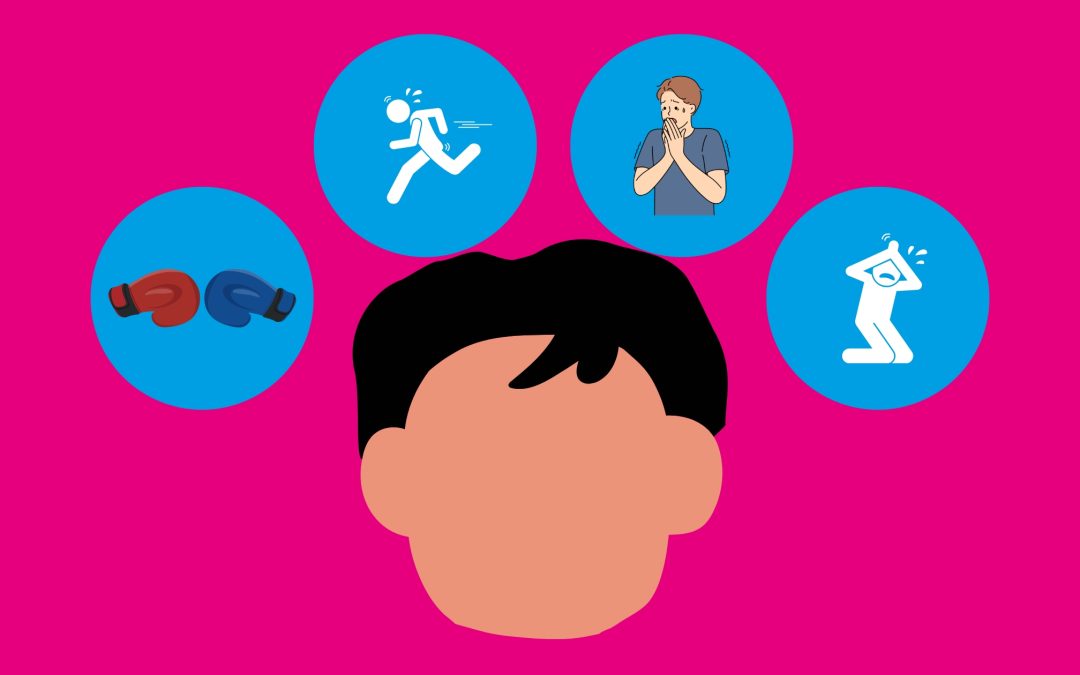
The goal is to complete the body’s natural responses to threat: the fight, flight, or freeze reactions, which may have been interrupted during the traumatic event. By allowing these responses to resolve in a safe and supported way, people can begin to feel more balanced, grounded, and resilient.
The Science Behind Somatic Experiencing
When we experience trauma, it’s not just a memory, it’s a full-body event. Our nervous system is wired to protect us through fight, flight, or freeze responses. In an ideal situation, once the danger has passed, the body completes its response the heart rate slows, breathing steadies, and we return to a calm baseline.
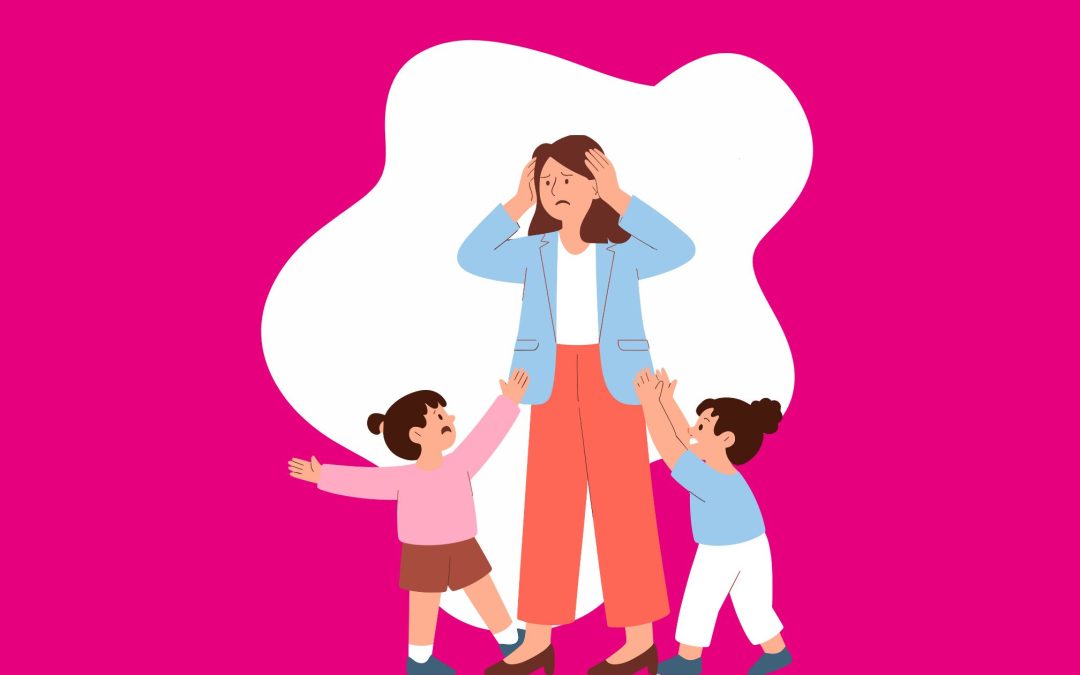
But when trauma is overwhelming or inescapable (such as abuse, accidents, or war), the nervous system can get stuck in survival mode. This means the body keeps sending signals of danger long after the event is over. Symptoms may include:
-
Racing heart and shallow breathing.
-
Chronic muscle tension or pain.
-
Feeling numb, disconnected, or “frozen.”
-
Anxiety, panic attacks, or hypervigilance.
Somatic Experiencing (SE) helps “unstick” the nervous system. It draws from polyvagal theory, which describes how the vagus nerve influences our sense of safety and connection. By gently guiding people to notice body sensations such as tightness in the chest or trembling in the hands. SE helps the body complete its natural survival responses.
This might mean allowing a small tremor to release, taking a deeper breath, or shifting from tension into relaxation. These seemingly subtle changes are powerful signs that the nervous system is finding balance again. Over time, this restores the body’s ability to respond flexibly to stress, rather than remaining locked in survival mode.
How Does Somatic Experiencing Work in Practice?
SE sessions are gentle and client-led. Rather than revisiting traumatic memories in detail, practitioners invite clients to:
-
Notice bodily sensations (tightness, warmth, trembling).
-
Use grounding techniques to stay connected to the present.
-
Titrate experiences exploring small amounts of sensation at a safe pace.
-
Pendulate between discomfort and safety, building resilience without overwhelm.
Sessions may involve guided awareness, subtle movement, or breath work. The emphasis is always on safety, control, and pacing.
Benefits of Somatic Experiencing
One of the most encouraging aspects of SE is that it addresses both emotional and physical symptoms of trauma. Research has shown measurable improvements for people with PTSD and related conditions. For example:
-
A 2017 clinical trial found that 44% of participants no longer met the criteria for PTSD after 15 SE sessions.
-
Other studies report significant reductions in symptoms of anxiety and depression, alongside improvements in physical wellbeing.
Key Benefits People Report:
-
Emotional regulation: Feeling calmer and less reactive in stressful situations.
-
Physical relief: Reduced muscle pain, headaches, or digestive issues linked to stress.
-
Sense of safety: A greater ability to stay present without being hijacked by fear.
-
Resilience: Increased confidence in handling future challenges.
-
Connection: Renewed ability to trust others and rebuild relationships.
Because SE works at the level of the nervous system, many people describe the changes as deep and lasting, rather than surface-level symptom relief. Even small shifts — such as breathing more freely or feeling a bit more grounded — can open the door to hope and recovery.
Somatic Experiencing vs. Other Therapies
There are many different trauma therapies, each with its own strengths. SE doesn’t aim to replace them but to offer a different entry point into healing — one that begins with the body rather than the mind.
SE vs. Cognitive Behavioural Therapy (CBT)
-
CBT: Focuses on thoughts and beliefs. Clients identify unhelpful thinking patterns and practise new coping strategies.
-
SE: Focuses on bodily sensations and nervous system responses. The aim is to restore physiological balance first.
-
How they work together: CBT can be more effective once a person feels calmer and safer in their body — which SE helps to achieve.
SE vs. Eye Movement Desensitisation and Reprocessing (EMDR)
-
EMDR: Uses eye movements or other bilateral stimulation to reprocess traumatic memories.
-
SE: Works by releasing “stuck” energy in the body, without necessarily revisiting memories in detail.
-
Comparison: EMDR can provide rapid results for some, but may feel overwhelming for others. SE offers a slower, more titrated pace, which some people find gentler.
SE vs. Traditional Talk Therapy
-
Talk therapy: Relies on narrative, telling the story of what happened and exploring feelings through words.
-
SE: Works “bottom-up” by focusing first on sensations, movement, and the body’s natural rhythms.
-
Why it matters: For many trauma survivors, words feel out of reach, or talking about the event triggers re-traumatisation. SE offers a non-verbal route to healing.
In practice, many therapists integrate SE with other modalities. For example, someone might use SE to stabilise the nervous system, EMDR to process specific memories, and CBT to develop coping strategies for everyday life. The key is finding what feels safe, manageable, and effective for each individual.
Who Can Somatic Experiencing Help?
Somatic Experiencing is designed to support people who have experienced overwhelming or traumatic events — both single incidents and long-term stress. Because it works with the body’s natural survival system, it can help across many situations where the nervous system has been disrupted.
SE May Be Helpful For:
-
Survivors of childhood trauma or neglect: early adverse experiences can shape how the nervous system develops, leaving a lasting imprint on emotional regulation and relationships. SE can gently support a return to safety and trust.
-
People recovering from accidents, injuries, or surgery: medical procedures can leave the body in a state of fear or vigilance, even if the mind knows the danger has passed.
-
Survivors of abuse or assault: SE offers a non-verbal pathway to recovery, especially for those who find talking about experiences overwhelming.
-
Military veterans and first responders: individuals regularly exposed to danger may develop chronic hypervigilance or stress symptoms that SE can help regulate.
-
Those experiencing anxiety, depression, or stress-related physical symptoms: SE may ease tension, improve sleep, and create more emotional resilience.
-
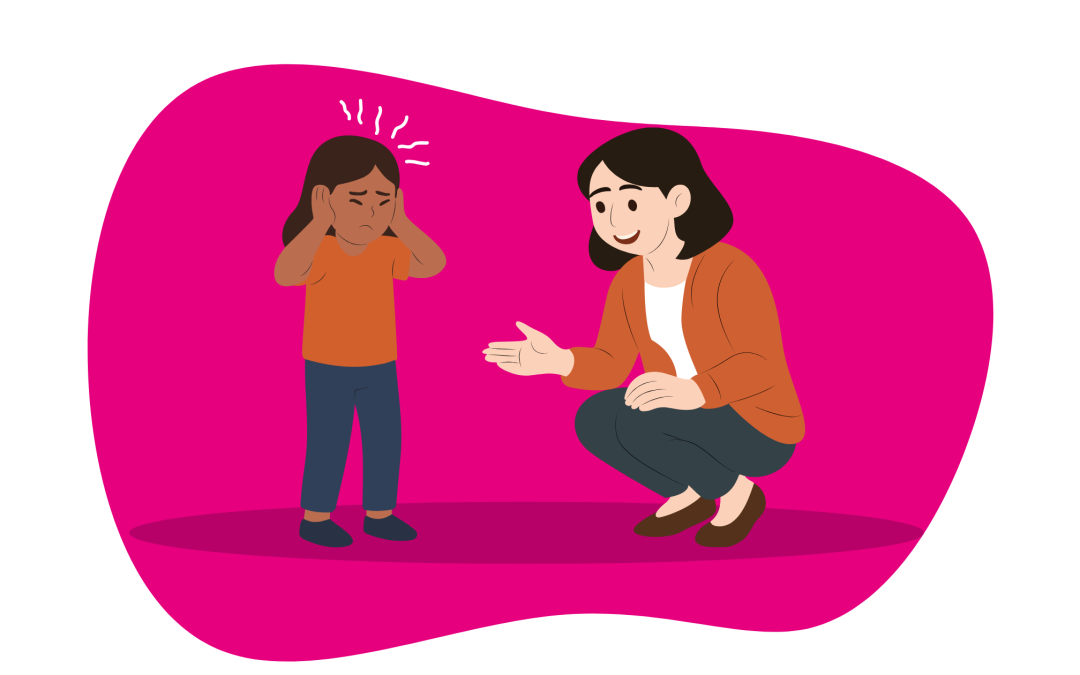
Children and young people: SE techniques can be adapted into safe, age-appropriate approaches. For children, this might involve playful movement, grounding exercises, or gentle awareness activities rather than in-depth discussion.
What makes SE especially valuable is its adaptability. It can be used as a standalone therapy, or as part of a wider network of support including counselling, medication, or community-based care
Limitations and Considerations
While Somatic Experiencing has shown many benefits, it’s important to approach it with realistic expectations. No therapy is a “one-size-fits-all,” and SE may not be the right choice for everyone.
Things to Keep in Mind:
-
Gradual process: SE is not a quick fix. Progress often comes through small steps — noticing a shift in breathing, feeling slightly more grounded, or reducing the intensity of panic over time.
-
Need for safety and trust: Because SE works with the body’s survival responses, it must be guided carefully. Sessions should only be conducted with a qualified SE practitioner who can pace the process and prevent overwhelm.
-
Evidence base: While research is promising, SE is not as widely studied as therapies like CBT or EMDR. Some people may wish to combine SE with more established approaches.
-
Not suitable for all cases: People in acute crisis, or those who do not feel comfortable with body awareness, may benefit more from other immediate supports before exploring SE.
-
Integration is key: SE often works best alongside other forms of care — whether that’s psychotherapy, medical treatment, or community support. It’s a piece of the puzzle, not the whole solution.
Choosing SE Thoughtfully
If you’re considering SE, it can help to:
-
Ask about your practitioner’s training and certification.
-
Discuss how SE fits into your overall care plan.
-
Take time to notice whether the approach feels safe and supportive for you.
Ultimately, SE offers a gentle, body-led path forward, but like all therapies, it’s most effective when matched to the needs and readiness of the individual.
Accessing Somatic Experiencing
To explore SE, look for a practitioner certified by the Somatic Experiencing Trauma Institute (SETI) or regional accredited training bodies. Many therapists also integrate SE with other modalities, such as mindfulness, CBT, or EMDR.
At The Mulberry Bush, we believe in body-based approaches that honour both safety and connection. Whether through direct care, training, or outreach, our work centres on creating environments where recovery is possible.
In Conclusion
Trauma leaves an imprint not just in our memories, but in our bodies. Somatic Experiencing (SE) offers a gentle, body-based way of working with that imprint, helping the nervous system complete what was left unfinished and restoring a sense of safety and balance. We’ve explored how SE works by focusing on the body’s natural survival responses, the science that underpins it, the benefits it can bring, and how it compares to other approaches like CBT, EMDR, and traditional talk therapy.
For many, SE has provided lasting relief from symptoms of trauma, anxiety, and stress. It can help children and adults alike to reconnect with their bodies, regain a sense of calm, and find resilience for the future.
At the same time, it’s important to remember that SE is not the only method of support. Every child, every adult, and every experience of trauma is unique. Some may benefit most from body-based approaches like SE, while others find strength in cognitive therapies, creative work, community support, or a combination of many approaches.
When supporting children with complex emotional and trauma-related needs, the priority is always the same: creating safe, consistent, and nurturing environments where recovery can take root. Somatic Experiencing is one way of doing that and a valuable piece of the wider puzzle of trauma-informed care.
By exploring different approaches, and by working together as professionals, families, and communities, we can make sure children are not defined by their trauma, but supported to grow beyond it.
Frequently Asked Questions
What is somatic experiencing therapy used for?
SE is used to help people recover from trauma, PTSD, stress, and body-based symptoms of emotional distress.
How is somatic experiencing different from other trauma therapies?
Unlike talk therapy or CBT, SE works primarily with body sensations and nervous system responses rather than thoughts and memories.
Is somatic experiencing evidence-based?
Yes studies show SE can significantly reduce PTSD symptoms, though more large-scale research is ongoing.
Can somatic experiencing help with childhood trauma?
Yes, SE is often used with survivors of early-life trauma and can be adapted for children in safe, supportive ways.
How long does somatic experiencing take to work?
Some people feel shifts after a few sessions, but lasting changes often take several months.
What happens in a somatic experiencing session?
A practitioner helps you gently notice body sensations, explore them at a safe pace, and build resilience without overwhelming you.



0 Comments