
But what does that really mean?
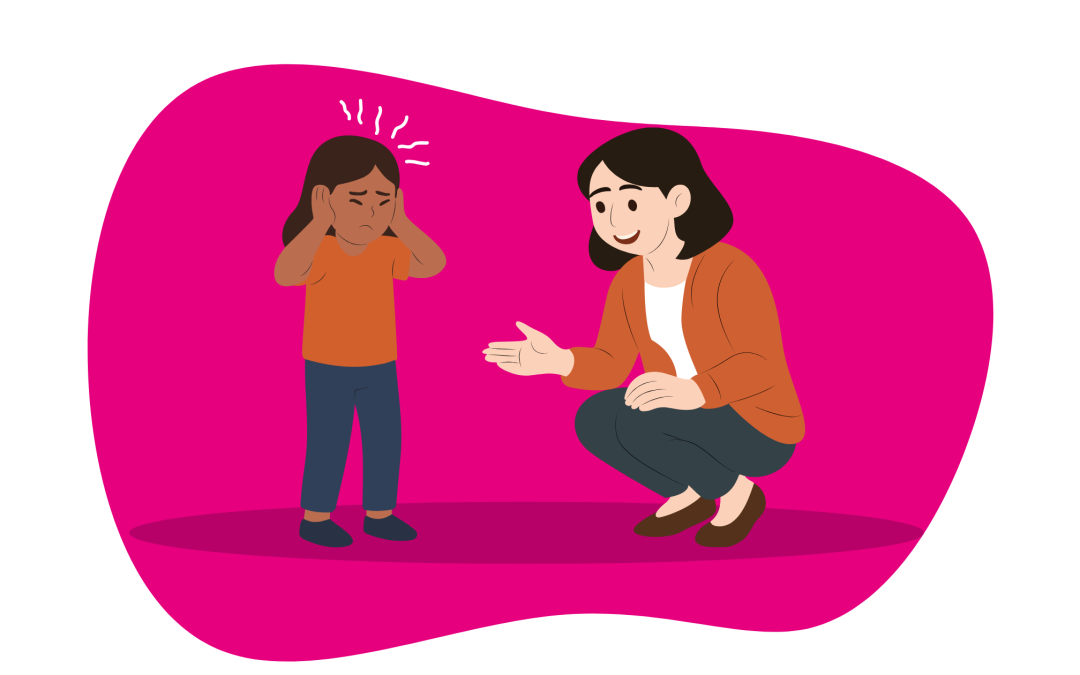
Challenging behaviour isn’t just about a child “acting out” or “misbehaving.” It’s a signal, a form of communication that something deeper is happening beneath the surface. Understanding what lies behind these behaviours helps adults respond with empathy and consistency, rather than punishment or frustration.
Whether you’re a parent, carer, teacher or support worker, recognising the meaning behind behaviour is key to helping children feel safe, understood, and supported to grow
Defining Challenging Behaviour
There’s no single definition of challenging behaviour. It depends on the lens through which we view it. For some, it’s a classroom management issue; for others, it’s a reflection of unmet emotional needs. Both perspectives offer insight, but when combined, they create a more complete picture of what children truly need from us.
From an Educational Perspective
In educational settings, challenging behaviour is often described as any action that disrupts learning, interferes with the classroom environment, or puts the safety of others at risk.
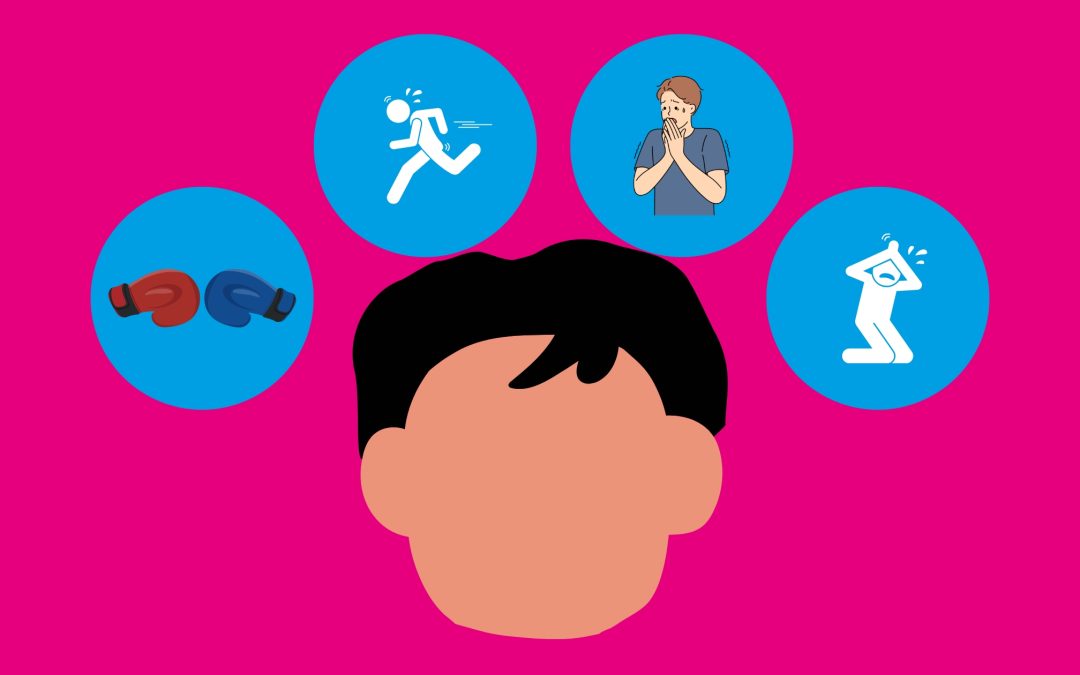
This might include refusal to follow instructions, aggression towards others, shouting, running away, or withdrawing completely from engagement.
Traditionally, the goal has been to reduce or stop these behaviours. Often through sanctions, reward systems, or behaviour charts. These approaches can create short-term compliance, but they may not address the underlying reasons why the behaviour is happening in the first place.
From this perspective, challenging behaviour is something to manage.
From a Trauma-Informed Perspective
A trauma-informed view shifts the question from “What’s wrong with this child?” to “What’s happened to this child?”
Here, challenging behaviour is understood as communication, a sign of distress, unmet need, or emotional overwhelm. Children who have experienced trauma, loss, or inconsistent care may struggle to regulate their emotions or trust that adults will keep them safe. Their behaviour becomes the language through which they express fear, confusion, or longing for connection.
In this light, “challenging behaviour” is not a problem to fix but a message to interpret. It asks adults to pause, look deeper, and respond with curiosity rather than control.
At The Mulberry Bush, we work from this understanding every day: behaviour is never random, it always tells a story. Our task is to help children feel safe enough to tell that story in words, not actions.
Common Examples of Challenging Behaviour
Challenging behaviour can take many forms, and it often looks different depending on a child’s age, environment, and past experiences. Some behaviours are loud and visible; others are quiet and easily missed. What unites them is that each is a form of communication, a way of expressing something that can’t yet be put into words.
Below are some of the most common examples, alongside what they might be communicating beneath the surface:
1. Aggression or Anger
Shouting, hitting, throwing, or damaging property are often signs that a child feels overwhelmed, frightened, or out of control. Anger can mask other feelings such as shame, sadness, or rejection.
The behaviour says: “I feel unsafe” or “I don’t know how to handle these feelings.”
2. Defiance or Refusal
Refusing to follow instructions or constantly testing boundaries can be a child’s way of seeking control in a world that has often felt unpredictable. When children have lacked consistency, saying “no” can be a protective strategy.
The behaviour says: “I need to feel in charge of something.”
3. Withdrawal or Silence
Not all challenging behaviour is outwardly disruptive. Some children respond to distress by retreating and becoming quiet, detached, or unresponsive. This can be mistaken for compliance or disinterest when, in fact, it’s a sign of emotional shutdown.
The behaviour says: “It’s safer not to be noticed.”
4. Attention-Seeking or Risk-Taking
Children who have felt unseen or unheard may act in extreme ways to get attention, even if it’s negative. They might take risks, joke inappropriately, or behave impulsively.
The behaviour says: “I need someone to notice me and show I matter.”
5. Emotional Outbursts or Meltdowns
Sudden tears, shouting, or apparent “overreactions” often reflect a nervous system that’s struggling to regulate strong emotions. For some children, especially those with early trauma, even small triggers can feel overwhelming.
The behaviour says: “I don’t know how to calm down without your help.”
6. Overcompliance or “People-Pleasing”
Sometimes, children respond to fear by being overly helpful, polite, or eager to please. This may seem positive, but it can mask anxiety or a fear of making mistakes.
The behaviour says: “If I’m good enough, maybe I’ll stay safe.”
Recognising these behaviours as expressions of emotion rather than deliberate defiance helps adults respond more effectively. When we understand the why behind what we see, our responses become more compassionate and children begin to feel safer, calmer, and more understood.
Common Misconceptions About Challenging Behaviour
When behaviour becomes difficult, it’s natural for adults to feel frustrated or disheartened. But the words and beliefs we use to describe that behaviour can shape how we respond and how children see themselves. Misunderstandings can unintentionally reinforce shame or escalate conflict. By reframing a few common misconceptions, we can begin to see behaviour for what it really is: communication.
Misconception 1: “They’re just being naughty.”
This is one of the most frequent misunderstandings. While some actions may appear deliberate or provocative, most challenging behaviour stems from unmet emotional needs or difficulties with self-regulation.
A child who lashes out may not want to hurt others, they may simply have reached their limit and lack the skills to manage what they’re feeling.
Try reframing it as: “This child is struggling, not misbehaving.”
Misconception 2: “They’re doing it for attention.”
Seeking attention is often viewed negatively, but for many children, it’s really connection-seeking. When a child has experienced inconsistent or neglectful care, gaining an adult’s attention, even through negative behaviour, can feel safer than being ignored.
Try reframing it as: “This child is showing me they need to be seen.”
Misconception 3: “Firm discipline will fix it.”
Consequences and boundaries have their place, but when used without understanding, they can increase fear and mistrust. A trauma-informed approach balances boundaries with empathy and predictable care. Safety and relationship are the starting points for change, not fear of punishment.
Try reframing it as: “This child needs consistency and connection before correction.”
Misconception 4: “They need to learn to control themselves.”
Emotional regulation isn’t automatic, it’s learned through co-regulation. When adults help children calm down by staying calm themselves. Over time, children internalise this sense of safety and begin to manage their feelings more effectively.
Try reframing it as: “My calm helps them find theirs.”
Misconception 5: “Ignoring bad behaviour teaches them a lesson.”
While selective ignoring can be useful for attention-seeking behaviour, ignoring distress can deepen a child’s sense of rejection. Children learn emotional safety through responsive, consistent adults who remain present even when behaviour is difficult.
Try reframing it as: “I can set limits while staying emotionally available.”
Understanding these misconceptions shifts our approach from reacting to responding. When adults see behaviour through a relational lens, we move from managing crises to building trust.
Training to support challenging behaviour
The Mulberry Bush offers Emotion Coaching and De-escalation training for those who want to explore practical, relational strategies for responding to challenging behaviour in supportive ways.
Causes of Challenging Behaviour
Challenging behaviour rarely happens without reason. Every action, reaction, or withdrawal tells a story. One that can often be traced to unmet needs, early experiences, or difficulties with emotional regulation. Understanding these root causes helps adults respond with empathy, not frustration.
Below are some of the most common factors that can contribute to challenging behaviour in children and young people.
1. Unmet Emotional or Physical Needs
When basic needs such as hunger, tiredness, safety, or connection aren’t met, behaviour often becomes the way children express discomfort or distress.
A tired child may appear defiant; a hungry child may seem irritable or distracted. Meeting these needs first often reduces the behaviour itself.
Sometimes the simplest solutions of food, rest, reassurance make the biggest difference.
2. Early Trauma or Adverse Childhood Experiences (ACEs)
Children who have lived through trauma, neglect, loss, or instability may experience the world as unsafe. Their nervous systems remain on high alert, ready to protect them from perceived threats, even when none are present.
This can lead to behaviours that seem extreme or confusing, such as sudden outbursts, withdrawal, or aggression.
Key term: Adverse Childhood Experiences (ACEs) are potentially traumatic events that occur before age 18, such as abuse, neglect, or household instability. These experiences can shape how children respond to stress and relationships later in life.
3. Difficulties with Emotional Regulation
Many children, particularly those with disrupted early attachments, have not yet developed the ability to manage big emotions. Without strong co-regulation (an adult staying calm and helping them calm) they may struggle to control impulses or soothe themselves when upset.
Key terms: Self-regulation is the ability to manage one’s emotions, thoughts, and behaviours in response to stress.
Co-regulation is the process by which a calm, attuned adult helps a child regain control through reassurance, tone, and presence.
4. Neurodiversity and Communication Differences
Children with neurodevelopmental differences such as autism, ADHD, or sensory processing needs may experience the world in heightened ways. Noises, lights, social demands, or changes in routine can quickly become overwhelming.
If a child struggles to express discomfort verbally, behaviour may become their main form of communication.
Behaviour can be the voice of a child whose words can’t yet express their needs.
5. Environmental Stressors
Classroom noise, crowded spaces, changes in caregivers, or conflict at home can all contribute to emotional strain. Even positive changes like moving to a new class or starting school can feel destabilising for children who rely on routine and predictability.
Small disruptions to stability can feel like major threats to a child who has already experienced unpredictability.
6. Developmental Stage
Younger children, or those whose development has been affected by trauma, may simply not have the cognitive or emotional maturity to express feelings in socially acceptable ways. Tantrums, defiance, or refusal can often be signs of developmental gaps rather than deliberate misbehaviour.
A child’s age doesn’t always match their emotional stage, especially when early experiences have disrupted their sense of safety.
Understanding these causes doesn’t excuse harmful behaviour, but it does help us respond in ways that reduce shame and build trust. When we identify the root of the behaviour, we can meet the need rather than just managing the reaction.
How to Respond to Challenging Behaviour
When a child’s behaviour feels overwhelming, the adult’s instinct is often to regain control. To stop the shouting, the defiance, or the tears. But in moments of distress, what children need most is not control, but connection.
Responding effectively to challenging behaviour isn’t about letting things slide. It’s about staying calm, curious, and consistent so the child feels safe enough to settle. How we respond shapes not just the moment, but the child’s trust in adults and their ability to manage emotions over time.
1. Pause and Regulate Yourself
Children look to the adults around them to understand how safe they are. When we meet chaos with calm, we help to bring their emotional temperature down.
Take a breath, lower your tone, and steady your body language. A calm adult nervous system can support a child’s overwhelmed one.
“My calm helps them find theirs.”
2. Look Beneath the Behaviour
Ask yourself: “What might this child be trying to tell me?”
Behind every challenging moment is a feeling or need. Fear, confusion, shame, hunger, tiredness, or simply a longing for attention and care. By focusing on the cause rather than the surface behaviour, we respond to the message instead of just managing the symptom.
3. Respond, Don’t React
Reacting often means matching the child’s heightened emotion. Responding means noticing what’s happening, pausing, and choosing an intentional response.
Instead of saying “Stop shouting!” try “I can see you’re upset, let’s take a moment to breathe together.”
This helps children feel seen and contained rather than judged or rejected.
4. Use Predictability and Consistency
Consistency creates safety. Whether at home or in school, predictable routines and boundaries help children know what to expect and reduce anxiety. When rules are applied calmly and fairly, children begin to internalise them as part of a safe structure, not a punishment.
5. Separate the Child from the Behaviour
Language matters. Instead of “You are being naughty,” say “That behaviour isn’t okay, but you are still safe.”
This distinction helps protect a child’s self-worth and reinforces that they are more than their actions.
6. Reflect and Repair Afterwards
Once everyone is calm, revisit the situation together. Ask reflective questions like:
- “What were you feeling when that happened?”
- “What could we do differently next time?”
Repairing after rupture teaches children that relationships can withstand conflict and that mistakes don’t make love or care disappear.
7. Seek Support and Share Understanding
Challenging behaviour can take a toll on adults too. Working as part of a consistent team whether that’s family members, teachers, or support staff ensures the child experiences a joined-up, reliable approach.
Reflective spaces for adults, such as supervision or training, help maintain emotional resilience and clarity.
Strategies for Supporting Children with Challenging Behaviour
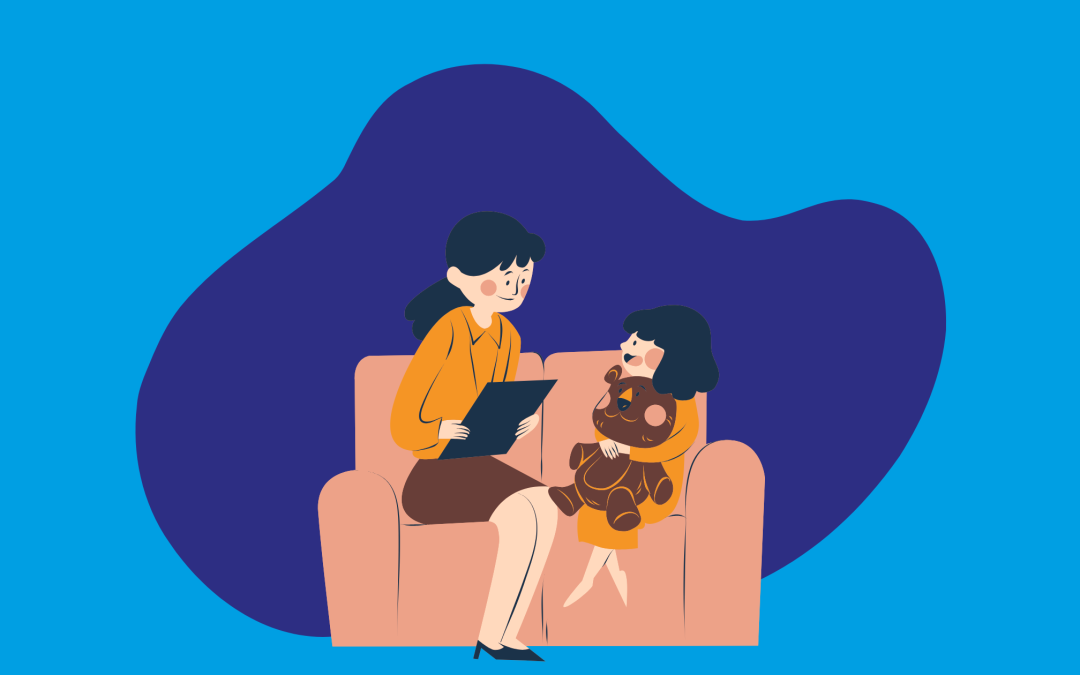
Understanding the reasons behind challenging behaviour is only the first step. The next is knowing how to respond in ways that nurture safety, strengthen relationships, and help children develop new patterns of behaviour over time.
These strategies draw on trauma-informed and relational approaches used at The Mulberry Bush, and are designed to be simple, consistent, and adaptable for both home and classroom settings.
1. Build Safety Through Relationships
Relationships are the foundation of all change. Children learn to trust the world through the adults who care for them.
Be reliable, predictable, and emotionally available. Small, consistent gestures such as greeting them warmly, keeping promises, staying calm in difficult moments help them internalise the message: “I’m safe with you.”
The relationship is the intervention.
2. Use Emotionally Attuned Language
The words adults use can either build or break connection. Replace labels (“You’re being rude”) with understanding (“I can see you’re upset”).
Emotionally attuned language helps children identify their feelings and feel validated rather than criticised. Over time, this supports emotional literacy and self-regulation.
3. Co-Regulate Before You Educate
When a child is dysregulated (shouting, crying, or refusing) they are not in a state to learn or reason. The first task is to co-regulate: help them feel calm and safe before addressing what happened.
Use a gentle voice, offer physical space if needed, and model steady breathing. Once calm returns, then you can explore boundaries, reflection, or problem-solving.
4. Create Predictable Routines and Clear Boundaries
Structure helps children feel safe. Predictability reduces anxiety, especially for those who have lived through unpredictability or trauma.
Explain rules in advance, follow through calmly, and avoid sudden changes when possible. Boundaries are not about control, they are signals of safety.
5. Model the Behaviour You Want to See
Children learn more from what we do than what we say. If we respond with calmness and empathy, they learn that difficult emotions can be managed safely.
Show repair when you make mistakes (“I got frustrated earlier, I’m sorry, I’ll try again”). This models responsibility and teaches that relationships can recover after conflict.
6. Encourage Reflection and Problem-Solving
Once emotions have settled, help children reflect on what happened and explore alternatives.
Ask:
- “What were you feeling when that started?”
- “What helped you feel calmer?”
- “What could we do differently next time?”
These conversations build self-awareness and promote accountability without shame.
7. Collaborate and Communicate Consistently
Children thrive when the adults around them work as a team. Consistency across home and school helps them feel held within a predictable framework.
Share strategies, keep communication open, and reflect together on what’s working and what might need adjusting.
8. Look After Yourself Too
Supporting children with complex emotional needs can be emotionally draining. Adults need space for reflection, rest, and support just as much as children need care and containment.
Supervision, peer discussions, and training help sustain emotional resilience and perspective.
Why Understanding Behaviour Matters
When we see beyond the surface of challenging behaviour, we open the door to real change. Children who have experienced trauma or instability often expect adults to react with anger or rejection because that’s what life has taught them to expect. Each time we respond with curiosity and calm instead, we rewrite that story.
Understanding behaviour is not about excusing actions but about seeing the need beneath them. A child who feels safe and understood learns that emotions can be managed, that relationships can withstand conflict, and that mistakes don’t make them unworthy of care.
By shifting our mindset from “How do I stop this behaviour?” to “What is this behaviour trying to tell me?”, we begin to model empathy, reflection, and regulation — skills that children carry into every part of their lives.
For parents, carers, and educators alike, this understanding builds stronger connections and creates environments where everyone can thrive.
Conclusion
Challenging behaviour is often a sign of a child doing their best to cope with feelings or experiences that are too big to manage alone. It is not a reflection of failure — either theirs or yours — but an invitation to understand.
When adults approach these moments with empathy, patience, and consistency, they help children feel safe enough to trust, reflect, and grow. Every calm response, every predictable boundary, and every act of understanding builds the foundation for emotional resilience and belonging.
At The Mulberry Bush Charity, we believe that behaviour is communication — and that every child deserves to be heard, understood, and supported within relationships that feel safe and dependable.






0 Comments