

Children who have experienced early trauma often struggle to feel safe in a world that hasn’t always been kind. Whether due to neglect, abuse, or significant early loss, these experiences can deeply impact their ability to trust others, regulate their emotions, or engage with learning and relationships.
But support doesn’t always begin with words.
Sometimes, support can come in the form of a wagging tail, a gentle nudge, or the quiet comfort of a furry companion simply sitting nearby.
Animal-assisted support, whether through therapy animals or simply having a pet nearby, can offer profound comfort and connection for children who’ve been impacted by early years trauma. In this blog, we explore how animals can help children feel safe, seen, and supported on their journey toward healing.
Why Animals? The Science Behind the Support
Children impacted by early years trauma often live in a heightened state of stress. Their nervous systems may be “on alert” much of the time, constantly scanning for danger, even in safe environments. This is the legacy of trauma: a brain and body shaped by fear, unpredictability, and a lack of safety during the most formative years of development.
But animals, calm, consistent, and non-judgmental, can help interrupt that cycle of stress. Here’s how:
1. Animals Help Regulate the Nervous System
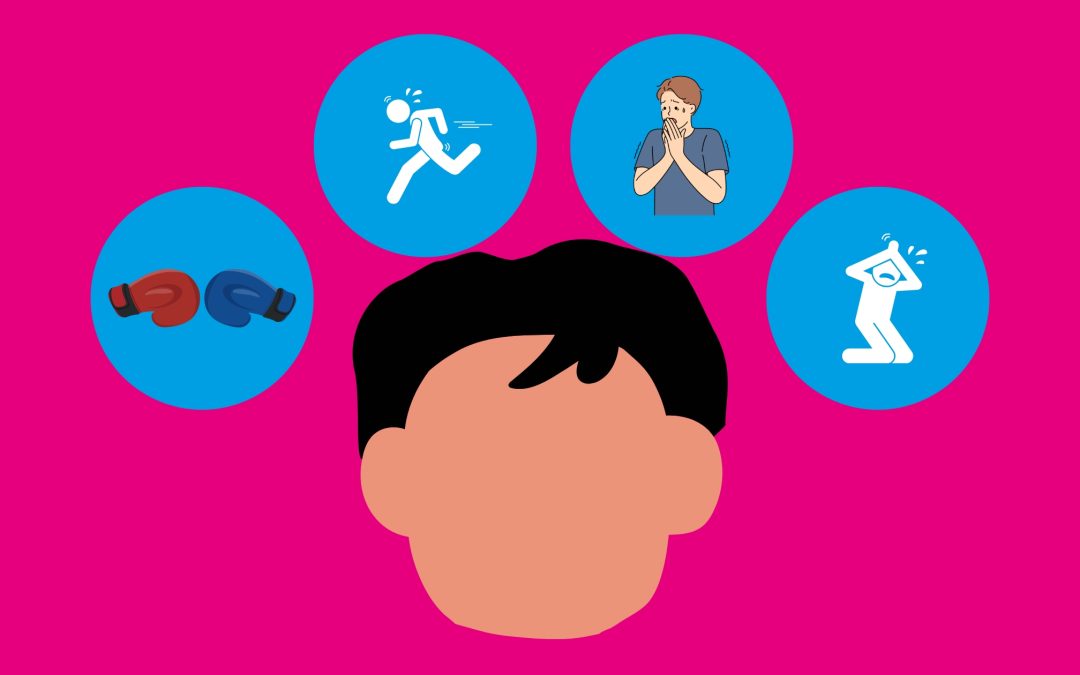
One of the most profound effects of interacting with animals is their impact on the autonomic nervous system. Specifically, their ability to reduce activation of the sympathetic nervous system (the “fight or flight” response) and stimulate the parasympathetic nervous system (the “rest and digest” response).
-
Petting a dog or stroking a cat has been shown to lower cortisol levels, the body’s primary stress hormone.
-
At the same time, it increases levels of oxytocin, sometimes called the “bonding hormone,” which helps promote feelings of safety, connection, and trust.
-
Heart rate, blood pressure, and respiration often slow down, giving the body a chance to reset and recover.
For traumatised children, this regulation is crucial. It helps them access parts of the brain needed for learning, connection, and reflection. Functions that are often offline when stress is high.
2. Animals Offer Non-Verbal, Sensory-Based Connection
Children who’ve experienced trauma often find verbal communication difficult. They may not have the language to describe their emotions or may have learned that speaking up isn’t safe.
Animals offer a non-verbal relationship, which is especially valuable for children who struggle with traditional talk-based therapy. The sensory experience of brushing a horse’s coat, listening to a dog’s breathing, or watching a fish swim engages the right hemisphere of the brain, which is responsible for emotional processing, memory, and sensory integration.
These interactions help:
-
Ground children in the present moment
-
Strengthen body awareness and sensory regulation
-
Build emotional safety without requiring words
3. Animals Provide Predictability and Co-Regulation
For children with disrupted attachment or unsafe early relationships, people can sometimes feel unpredictable or threatening. Animals, by contrast, offer a consistent and neutral presence.
A therapy dog doesn’t react with judgment. A rabbit doesn’t ask intrusive questions. These animals often respond with calm, steady cues, offering children an opportunity to experience co-regulation in a safe way. This is the process by which a regulated adult (or in this case, a regulated animal) helps a dysregulated child feel more settled through proximity, touch, or presence.
In trauma recovery, this kind of steady, predictable companionship helps children internalise the experience of being calm and safe with another.
4. Animals Tap Into Play, Curiosity, and Joy
Trauma often robs children of their natural ability to play, an essential component of learning, creativity, and healing. Animals invite playful interaction. They spark laughter, curiosity, and movement. They offer moments of joy, which are not just pleasant but neurologically reparative.
Positive experiences with animals can help build new neural pathways that support resilience, attachment, and emotional regulation. Over time, these moments of safety and joy can become part of the child’s new internal narrative: “I can feel safe. I can connect. I can be calm.”
How Animals Help: The Emotional and Developmental Benefits
Emotional Regulation
Animals help children stay calm and grounded. Stroking a dog, brushing a pony, or even watching fish swim can reduce anxiety and support mindfulness. These sensory experiences promote emotional regulation and a sense of control over the body and environment. Something that’s often disrupted by trauma.
Building Trust and Relational Safety
Traumatised children may struggle to trust adults, particularly if those adults have been the source of fear or unpredictability. Animals can serve as a bridge to reintroduce the concept of trust and secure connection. The simple act of a therapy dog returning again and again, offering comfort without condition, can gently rebuild a child’s belief in safe relationships.
Communication and Expression
Some children find it difficult to talk about how they feel, especially when trauma has disrupted their development. Animals offer a safe outlet for expression, children may speak to a dog when they won’t speak to a person, or use play with an animal to act out emotions they can’t yet name.
Encouraging Responsibility and Routine
Caring for an animal, even in small ways, can foster a sense of agency and purpose. Feeding, walking, or brushing a pet encourages routine and predictability, both essential for helping children feel secure.
Real-World Examples of Animal-Assisted Support in Practice
Across the UK and beyond, animals are becoming more recognised as valuable partners in trauma-informed care. Here are just a few ways they’re making a difference:
Therapy Dogs in Schools
More schools are introducing trained therapy dogs into the classroom. These dogs sit with children during reading time, join them during emotional moments, or simply wander the hallways offering a calming presence. For children who find the school environment overstimulating or anxiety-inducing, a dog’s steady companionship can make school feel safer and more accessible.
Equine-Assisted Therapy
Horses, with their sensitivity to non-verbal communication, are often used in therapeutic settings for children and young people. Equine-assisted sessions can support children in developing emotional awareness, boundaries, and confidence without needing to talk directly about their trauma.
Small Animal Companions
In care homes or therapeutic residential schools, small animals like rabbits, guinea pigs, or even fish are used to help children connect with routines, regulate their nervous systems, and experience nurturing in a way that feels manageable. These low-risk, low-pressure relationships help children slowly build relational capacity over time.
How to Introduce Animal Support Safely
While the benefits are wide-ranging, it’s important to introduce animals thoughtfully, especially when working with vulnerable children.
Here are a few things to keep in mind:
-
Start small. Even pictures, stories, or videos of animals can offer comfort. For children with limited exposure, this might be the best place to begin.
-
Always prioritise consent and comfort. Not all children like animals, and some may have fears or allergies. Make sure involvement is optional and gradual.
-
Work with trained professionals. Therapy animals should be trained, insured, and handled by professionals who understand both animal behaviour and trauma-informed care.
-
Create safe routines. Consistent, predictable visits are often more therapeutic than spontaneous ones. Make interactions structured and supported by adults.
Closing Thoughts
Children who have experienced early trauma often need more than words to begin healing, they need connection, safety, and the freedom to build trust at their own pace.
Animals can offer this in a way few other interventions can. Their presence helps children regulate emotions, develop empathy, and experience joy in a body that may have long been braced for danger.
As part of a wider trauma-informed approach alongside therapeutic relationships, safe environments, and consistent care, animals can offer an anchor of hope. A tail wag. A purr. A pause. A chance to begin again.








0 Comments