An Easy Guide to Co-Regulation
When a child is overwhelmed, distressed or unable to manage their feelings, it can be tempting to focus only on the behaviour we can see. A raised voice, a slammed door, a refusal to move or a child…
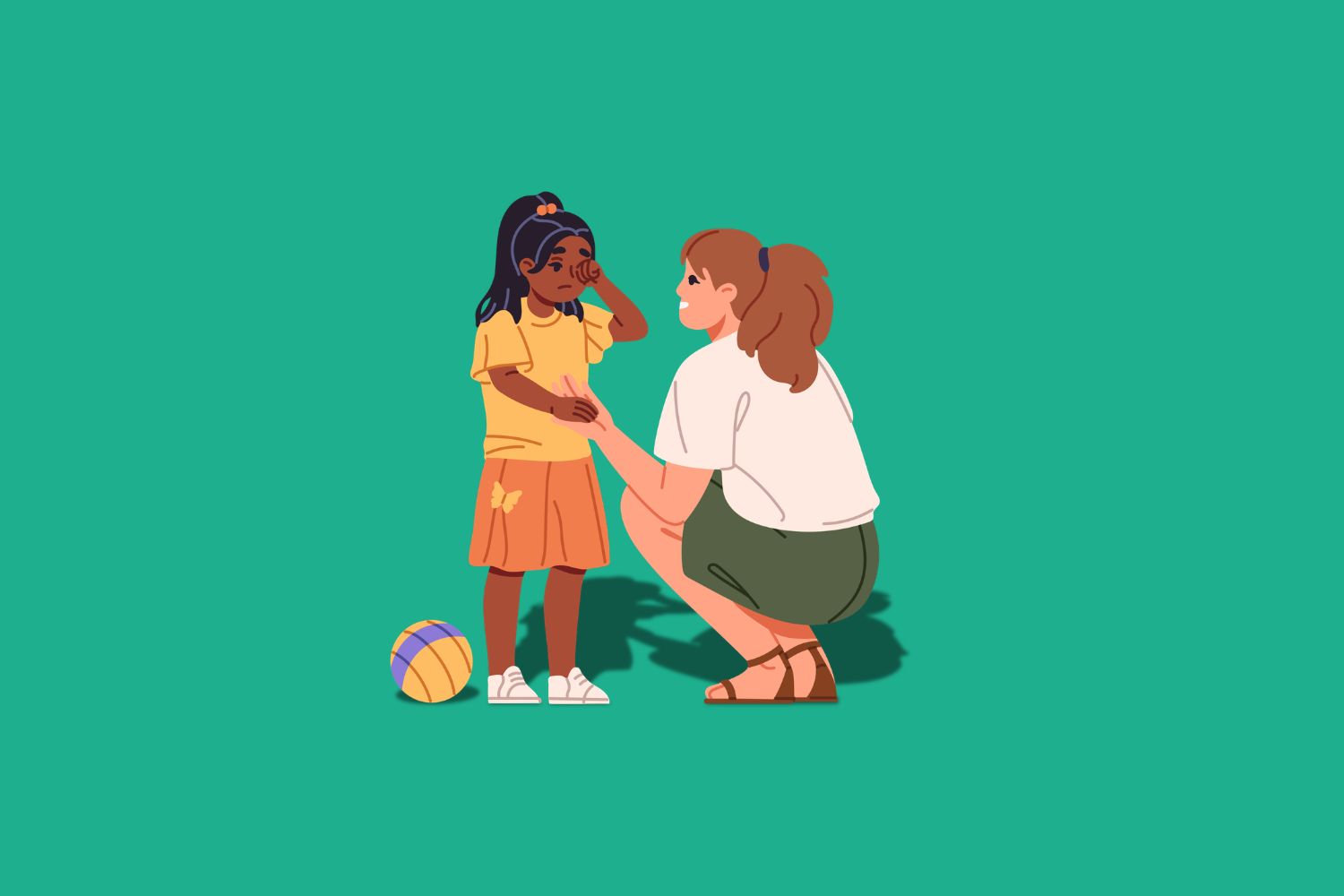
When a child is overwhelmed, distressed or unable to manage their feelings, it can be tempting to focus only on the behaviour we can see. A raised voice, a slammed door, a refusal to move or a child who runs, hides, cries, shouts or shuts down.
Beneath the behaviour, there is often a child whose nervous system is telling them they are not safe, not understood, or not able to cope in that moment.
This is where co-regulation matters.
What is co-regulation?
Co-regulation is the process of supporting a child to manage big feelings, stress and distress through a safe, steady and connected relationship. It is not about “calming a child down” quickly or making difficult behaviour disappear.
It is about offering the child something they may not yet be able to access on their own: an adult who can stay present, emotionally available and regulated enough to help them feel safe again.
Why co-regulation is important
Self-regulation is not something children simply learn because they are told to “calm down”. It develops over time, through repeated experiences of being supported by adults who notice, respond and remain alongside them during moments of stress.
For children who have experienced trauma, loss, disrupted relationships or early adversity, this can be particularly important. Their responses to stress may be heightened, protective or shaped by past experiences where adults were not always safe, predictable or available.
Co-regulation is relational, not transactional
Co-regulation is not a script or a behaviour strategy. It is a relational response.
It can look like:

Sometimes co-regulation is active and visible. It might involve breathing together, naming feelings or offering clear choices.
Co-regulation on the child's side
When a child is distressed, their behaviour may be communicating something important.
They may not have the words, emotional capacity or nervous system regulation to explain what is happening inside them. Instead, they show us through their behaviour.

These responses are not always deliberate choices. They can be signs a child is feeling unsafe, confused, ashamed or unable to manage what is happening internally.
For children who have experienced trauma or early adversity, the nervous system can become especially alert to threat. This means that everyday situations, such as, transitions, changes in routine, conflict or being asked to stop an activity, may feel bigger to the child than they appear to the adults around them.
Co-regulation on the adult's side
Co-regulation asks a lot of adults.
When a child is distressed, dysregulated or behaving in a way that feels challenging, our own nervous systems can respond too. We may feel anxious, frustrated, helpless, embarrassed or under pressure to act quickly.
This is why co-regulation begins with the adult noticing themselves.
Before responding, we can ask:
- What is happening in me right now?
- Am I feeling pulled into panic, anger or urgency?
- Can I slow my breathing, soften my tone or ground myself before I respond?
- What does this child need from my nervous system in this moment?
This does not mean adults must be perfectly calm all the time. It means recognising that our state has an impact. A regulated adult can offer safety, structure and connection. A dysregulated adult may unintentionally add to the child’s sense of threat.
Tips on how to co-regulate with a child
Co-regulation will look different depending on the child, situation and the relationship. However, there are some simple approaches that can help adults respond.
Start with yourself
Take a moment to notice your own response. Slow your breathing, lower your voice and ground yourself. A steady adult's presence can help reduce the child's sense of threat.
Focus on safety before learning
When a child is overwhelmed, they may not be able to process explanations, consequences or problem-solving. In the moment, focus on helping the child feel safe. Conversations about what happened can come later, when the child is calmer and more able to reflect.
Use fewer words
When a children are distressed, too much language can feel overwhelming. Short, simple and reassuring phrases can be more helpful.
For example:

Offer calm choices
Clear, simple choices can help a child feel a sense of safety and control.
For example:
- "Would you like to sit here or over there?"
- "Would you like some space?"
- "Can you take a few breaths with me?"
Use Connection before Correction
When a child is dysregulated, correction alone can feel like shaming or threatening. Connection helps the child feel that the adult is still with them, even when boundaries are needed.
This might sound like:
"I can see this feels really hard. I am going to help you through it, I am not leaving you."
Repair afterwards
Co-regulation does not end when the child becomes calmer. Repair is an important part of helping children understand that relationships can survive difficult moments.
A repair conversation might include:
- Reassuring the child that they are not bad
- Thinking together about what might help next time
- Letting the child know the relationship is still safe
Repair helps children learn that difficult feelings do not have to lead to disconnection
How to use how co-regulation resource
Our free co-regulation resource is designed to offer simple practical ways to support children through moments overwhelm at home, in school and in everyday life.
You can use it to:
- Reflect on what a child might be communicating through their behaviour
- Think about your own responses as an adult
- Explore simple phrases and approaches to use in difficult moments
- Build confidence in responding with calm, safety and connection.
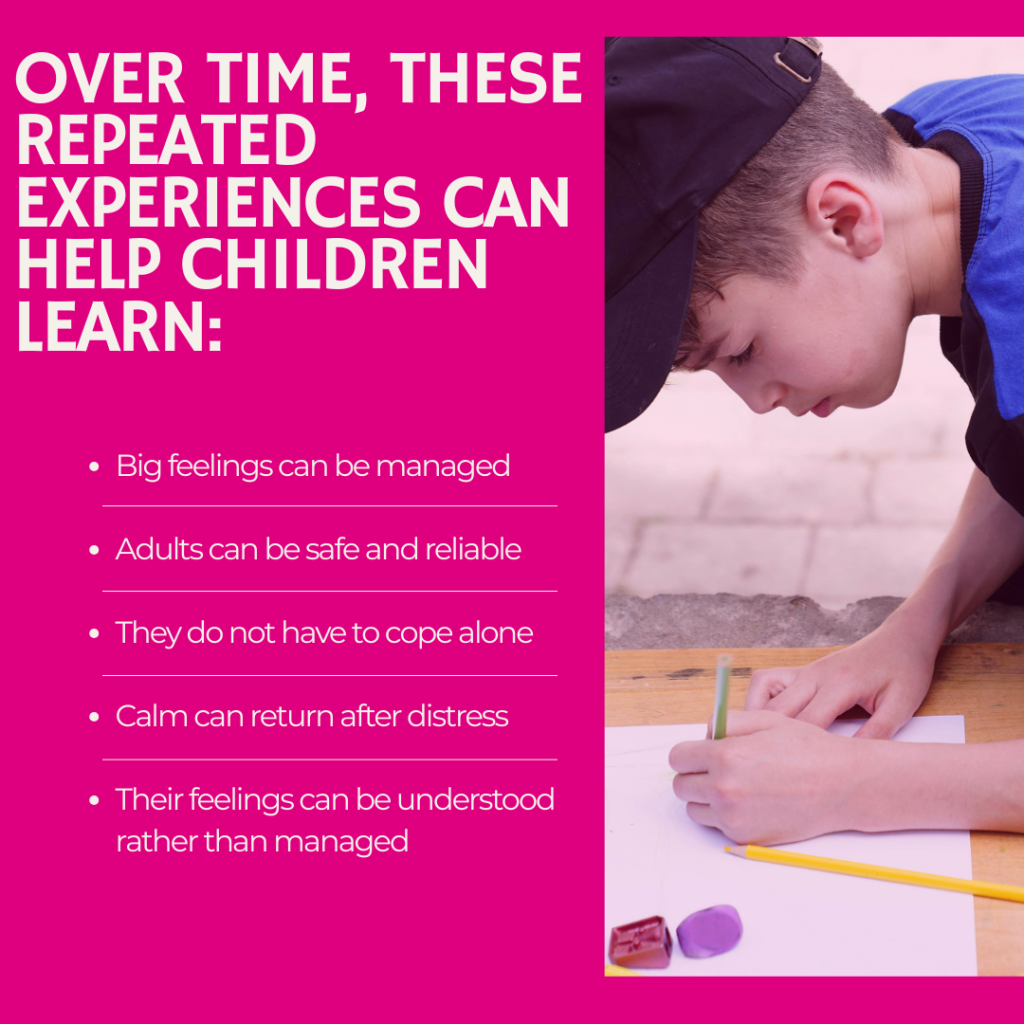
When adults can offer calm, safety and understanding in moments of distress, children are given repeated experiences of being supported rather than left alone with feelings that feel too big to manage. Over time, these moments can help build trust, strengthen relationships and support children to develop their own ways of returning to calm.