
What is EMDR Therapy?
Eye Movement Desensitisation and Reprocessing (EMDR) is a type of psychotherapy designed to help people process and recover from traumatic experiences. Developed in the late 1980s by psychologist Francine Shapiro, EMDR has since become one of the most widely researched and recommended therapies for post-traumatic stress disorder (PTSD).
At its core, EMDR helps the brain “reprocess” difficult memories so that they lose their overwhelming emotional impact. Instead of avoiding or reliving distressing experiences, individuals can begin to integrate them in a healthier way. The therapy uses a structured eight-phase approach that combines recalling memories with forms of bilateral stimulation, such as guided eye movements, tapping, or auditory tones.
Today, EMDR is recognised by leading organisations including the World Health Organization (WHO), the American Psychiatric Association (APA), and the UK’s National Institute for Health and Care Excellence (NICE) as an effective treatment for trauma-related conditions. Beyond PTSD, it is also used to support people dealing with anxiety, grief, phobias, and other emotional challenges.
How Does EMDR Work? The Science Explained
When someone experiences trauma, the brain can become “stuck” in survival mode, storing memories in a raw and unprocessed state. This is why people with PTSD or other trauma-related conditions may experience flashbacks, nightmares, or intense emotional reactions long after the event has passed.
EMDR helps to unlock these memories and allow the brain to reprocess them. This happens through bilateral stimulation, usually eye movements guided by the therapist. While the exact mechanism is still being studied, research suggests that this process mimics what happens naturally during rapid eye movement (REM) sleep, when the brain processes daily experiences.
Here are some of the key scientific ideas behind EMDR:
-
Memory reconsolidation: EMDR activates traumatic memories while adding in new information and context, allowing the brain to “update” and store them in a less distressing form.
-
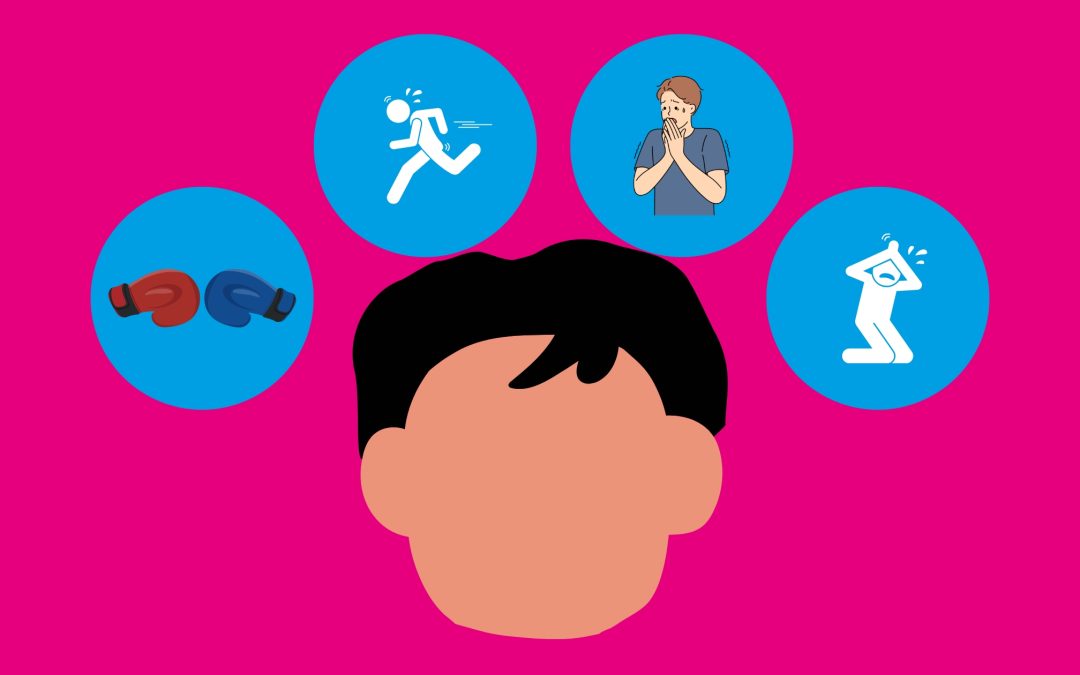
Nervous system regulation: The therapy helps calm the body’s fight-or-flight response, reducing the emotional and physical intensity of trauma memories.
-
Dual attention: By focusing both on a memory and on the external stimulus (eye movements, sounds, or taps), the brain can process trauma without becoming overwhelmed.
Research backs this up. For example, a 2017 meta-analysis found that 77% of people with PTSD no longer met the criteria for the disorder after completing EMDR therapy, often in fewer sessions compared to traditional therapies. NHS services in the UK now regularly offer EMDR as a frontline treatment for trauma.
Benefits of EMDR Therapy
EMDR is valued because it can bring relief in a relatively short time compared to some other therapies. For many people, the effects are life-changing.
Key benefits include:
-
Reduction in trauma symptoms: Multiple studies show EMDR reduces PTSD symptoms such as flashbacks, hypervigilance, and intrusive thoughts. One NHS study found up to 84% of single-trauma sufferers no longer met PTSD criteria after just three sessions.
-
Faster results than traditional talk therapy: Because EMDR works directly with memory processing rather than prolonged discussion, clients often notice improvements within weeks rather than months.
-
Emotional relief: EMDR helps reduce the intensity of distress linked to memories, making them feel less overwhelming. People often report feeling lighter, calmer, and more able to move forward.
-
Improved daily functioning: As trauma symptoms decrease, individuals commonly experience better sleep, concentration, and healthier relationships.
-
Applicability across conditions: While best known for PTSD, EMDR is also used successfully for anxiety, depression, grief, phobias, and even chronic pain.
For those who have felt “stuck” in trauma for years, EMDR offers hope that recovery is possible. It is not about forgetting or erasing the past, but about reshaping how the past is held in the present, so it no longer dominates everyday life.
EMDR vs Other Therapies
When considering treatment, people often want to know how EMDR compares to more familiar approaches like Cognitive Behavioural Therapy (CBT), Somatic Experiencing (SE), or medication.
-
EMDR vs CBT:
CBT focuses on identifying and changing negative thought patterns. It is highly effective for many issues, but it can involve repeatedly discussing painful events. EMDR, by contrast, does not require detailed verbal descriptions of the trauma. Instead, it emphasises reprocessing at a neurological level, which many clients find less overwhelming. -
EMDR vs Talk Therapy:
Traditional talk therapies (like counselling or psychodynamic therapy) aim to increase insight and understanding. These can be valuable, but progress may be gradual. EMDR often provides faster symptom relief by directly targeting the brain’s processing of traumatic memories. -
EMDR vs Somatic Experiencing (SE):
Somatic Experiencing, developed by Dr. Peter Levine, is based on the idea that trauma is stored not only in memory but also in the body. SE focuses on building awareness of bodily sensations, helping clients slowly release tension and restore nervous system balance.The key difference is that SE works primarily through the body’s felt sense, while EMDR combines memory recall with bilateral stimulation to reprocess how trauma is stored in the brain. Both are trauma-informed and evidence-based, but they operate through slightly different “entry points”. SE through the body, EMDR through memory networks.
-
EMDR may be particularly effective for clearly identifiable traumatic memories, such as accidents, assaults, or combat-related trauma.
-
SE may be more helpful for developmental or chronic trauma, where the body has carried tension and dysregulation for years.
-
In practice, many trauma therapists integrate aspects of both approaches, helping clients reprocess memories while also restoring safety and regulation in the body.
-
-
EMDR vs Medication:
Antidepressants and anti-anxiety medication can reduce symptoms, but they don’t resolve the underlying traumatic memory. EMDR addresses the root cause, offering more lasting change. In some cases, people are able to reduce or stop medication after successful EMDR therapy (always under medical supervision).
In short: while CBT teaches you to challenge thoughts, SE helps regulate the body’s stress responses, and medication may ease symptoms, EMDR helps your brain re-file traumatic experiences so they no longer trigger the same emotional intensity.
Who Can EMDR Help?
While EMDR was first developed for adults with post-traumatic stress disorder (PTSD), it is increasingly recognised as a powerful approach for children and young people who have lived through trauma. Early experiences can leave deep imprints, and EMDR offers a safe, structured way to help process those memories.
Children and adolescents
Trauma in childhood can take many forms — neglect, abuse, separation, bereavement, bullying, or medical trauma. Children may not always have the words to describe what happened, but their bodies and behaviours often carry the memory. EMDR can be adapted for younger clients by using play, drawing, or storytelling alongside bilateral stimulation (eye movements, tapping, or sounds). Research shows EMDR can significantly reduce trauma symptoms in children, improving their ability to regulate emotions, concentrate at school, and build trusting relationships.
Complex trauma
Many children who grow up in unsafe or unstable environments experience what’s known as complex trauma (C-PTSD). Instead of one single event, there are repeated, ongoing experiences of fear or neglect. For these children, trauma can affect their sense of identity, relationships, and ability to feel safe in the world. EMDR can be particularly valuable here because it doesn’t require retelling every detail of painful experiences. Instead, it works gently with memories and sensations, helping the brain and body reprocess what has been “stuck” for years.
Adults carrying childhood trauma
The impact of early trauma often carries into adulthood, shaping beliefs such as “I’m not good enough” or “I can’t trust anyone.” EMDR provides a pathway to reprocess those early experiences, allowing people to live with more freedom, self-worth, and emotional stability.
EMDR can help children and adults alike, but it is especially valuable for those whose earliest years were disrupted by trauma. By supporting the brain to file those memories in a less distressing way, EMDR helps individuals move from simply surviving to living with greater safety, resilience, and connection.
What Happens in an EMDR Session?
For children and young people, and for adults living with the effects of childhood trauma, the idea of therapy can sometimes feel daunting. EMDR is designed to be gentle, structured, and paced to match the individual’s needs. Importantly, a child or adult does not have to retell every detail of what happened. The focus is on helping the brain and body release the “stuck” responses to past experiences in a safe way.
The EMDR Process
EMDR usually follows an eight-phase model, but therapists adapt this depending on age, developmental stage, and trauma history.
- History taking and relationship building – With children, this might mean meeting parents or carers first, gathering background information, and creating a sense of safety. The therapist helps the child or adult feel comfortable before any processing begins.
- Preparation – Coping skills and calming techniques are taught. For children, this could include grounding games, drawing a “safe place,” or using breathing exercises.
- Assessment – A target memory is chosen. For a child, this may be an image, a body feeling, or even a worry that comes up again and again. For adults, it may be a particularly strong childhood memory.
- Desensitisation – While thinking about the memory, the therapist guides eye movements, taps, or sounds. For children, this may be turned into a playful exercise (such as following a puppet or tapping hands in rhythm).
- Installation – A positive belief is introduced (for example, “I am safe now” or “I am good enough”) to replace negative self-messages.
- Body scan – The therapist checks if the memory still creates physical tension. The goal is for the memory to feel calm in both mind and body.
- Closure – Each session ends by returning to safety. With children, this may involve art, play, or relaxation techniques.
- Re-evaluation – At the next session, the therapist reviews what has changed and what still needs attention.
What it Feels Like
For children, EMDR often feels less intimidating than talking therapy. They do not have to describe traumatic events in detail, instead, they notice thoughts, feelings, or body sensations while the bilateral stimulation helps the brain do its work. For adults, this process can be both emotional and relieving, as long-held memories lose their power and become less overwhelming.
Sessions usually last 45–90 minutes, depending on age and attention span. The number of sessions varies: some children and adults notice improvements within a few weeks, while those with complex trauma may benefit from longer-term support.
In essence: EMDR creates a space where the past no longer feels like the present. For children and those who grew up with trauma, this can mean fewer nightmares, less anxiety, and more room to play, learn, and connect. For adults, it can open the door to living beyond survival mode and building healthier relationships.
Limitations and Considerations
Although EMDR has helped thousands of children, young people, and adults process trauma, it is not the right fit for everyone. Understanding its limitations is important.
-
Emotional intensity – Revisiting memories, even in a structured way, can sometimes feel overwhelming. Children and adults may experience strong emotions, vivid dreams, or tiredness after sessions. This is a normal part of processing, but it means EMDR should only be undertaken with a trained, accredited therapist.
-
Complex trauma requires time – For individuals with repeated or long-term trauma, EMDR can be highly effective but usually takes longer. A strong therapeutic relationship and careful pacing are essential.
-
Suitability – EMDR may not be appropriate for those in active crisis, with unstable living situations, or with certain mental health conditions. In these cases, other stabilisation work may be needed first.
-
Therapist training matters – Because EMDR is powerful, it must be delivered safely. Always seek a therapist accredited by recognised professional bodies such as the EMDR Association UK.
While EMDR is endorsed by the NHS, World Health Organization (WHO), and National Institute for Health and Care Excellence (NICE), it is not a “quick fix.” It is best understood as one pathway within a broader journey of recovery especially for children and young people who need safe environments, consistent relationships, and long-term support alongside therapy.
In Conclusion: EMDR as One Path of Support
Eye Movement Desensitisation and Reprocessing is one of the most researched and effective therapies for trauma. It helps children and adults reprocess painful memories so they no longer dominate everyday life. For those affected by childhood and complex trauma, EMDR can create space for calmer emotions, greater stability, and more positive connections with others.
At the same time, EMDR is just one approach. Support rarely comes from a single method it grows from safe relationships, consistent environments, and access to the right interventions at the right time. For some, EMDR offers exactly the support they need; for others, approaches such as Somatic Experiencing, Cognitive Behavioural Therapy, or play-based interventions may be more appropriate.
What matters most is ensuring that children, young people, and adults who have experienced trauma are offered safe, trusted spaces and professional support. With the right guidance, individuals can move beyond the weight of the past and begin to build stronger, more connected lives.
Frequently Asked Questions
Q: What does EMDR stand for?
A: EMDR stands for Eye Movement Desensitisation and Reprocessing. It is a structured form of therapy that helps people process distressing memories and reduce their impact on daily life.
Q: How does EMDR therapy work?
A: EMDR combines memory recall with guided eye movements or other forms of bilateral stimulation (like tapping or sounds). This helps the brain reprocess memories, so they feel less overwhelming.
Q: Is EMDR scientifically proven?
A: Yes. EMDR is recognised by the World Health Organization (WHO), the American Psychiatric Association (APA), and the UK’s National Institute for Health and Care Excellence (NICE) as an effective treatment for trauma and PTSD. Research shows it can bring significant improvements, often more quickly than some traditional therapies.
Q: How many EMDR sessions are needed?
A: This varies. Some people see changes within 6–12 sessions, while those with complex trauma may need longer-term support. Each journey is unique, and progress is carefully paced.
Q: Can EMDR help children?
A: Yes. EMDR is adapted for children and young people, often using drawing, play, or storytelling. Research shows it can reduce trauma symptoms, improve emotional regulation, and support school and social life.
Q: Can EMDR help with issues beyond PTSD?
A: Absolutely. EMDR is also used for anxiety, depression, phobias, grief, and the lasting effects of childhood trauma. It helps reduce the emotional intensity of difficult experiences so people can feel more stable and supported.
Q: What are the risks or side effects of EMDR?
A: EMDR is considered safe when delivered by a trained therapist. Some people may feel temporarily more emotional, tired, or have vivid dreams after sessions. This usually eases as processing continues.
Q: How is EMDR different from CBT?
A: CBT focuses on challenging negative thoughts through discussion and practice. EMDR works by reprocessing how memories are stored in the brain. Both are effective, but EMDR may feel less overwhelming because it doesn’t require retelling every detail of trauma.
Q: How does EMDR compare with Somatic Experiencing (SE)?
A: EMDR works mainly through memory reprocessing, while SE focuses on the body’s physical responses to trauma. Both can be effective, and some therapists use them together.
Q: Who should not do EMDR?
A: EMDR may not be suitable for people in crisis, with unstable living conditions, or with certain untreated mental health conditions. A trained EMDR therapist will always assess readiness before beginning.






0 Comments